
What was the main purpose of this project?
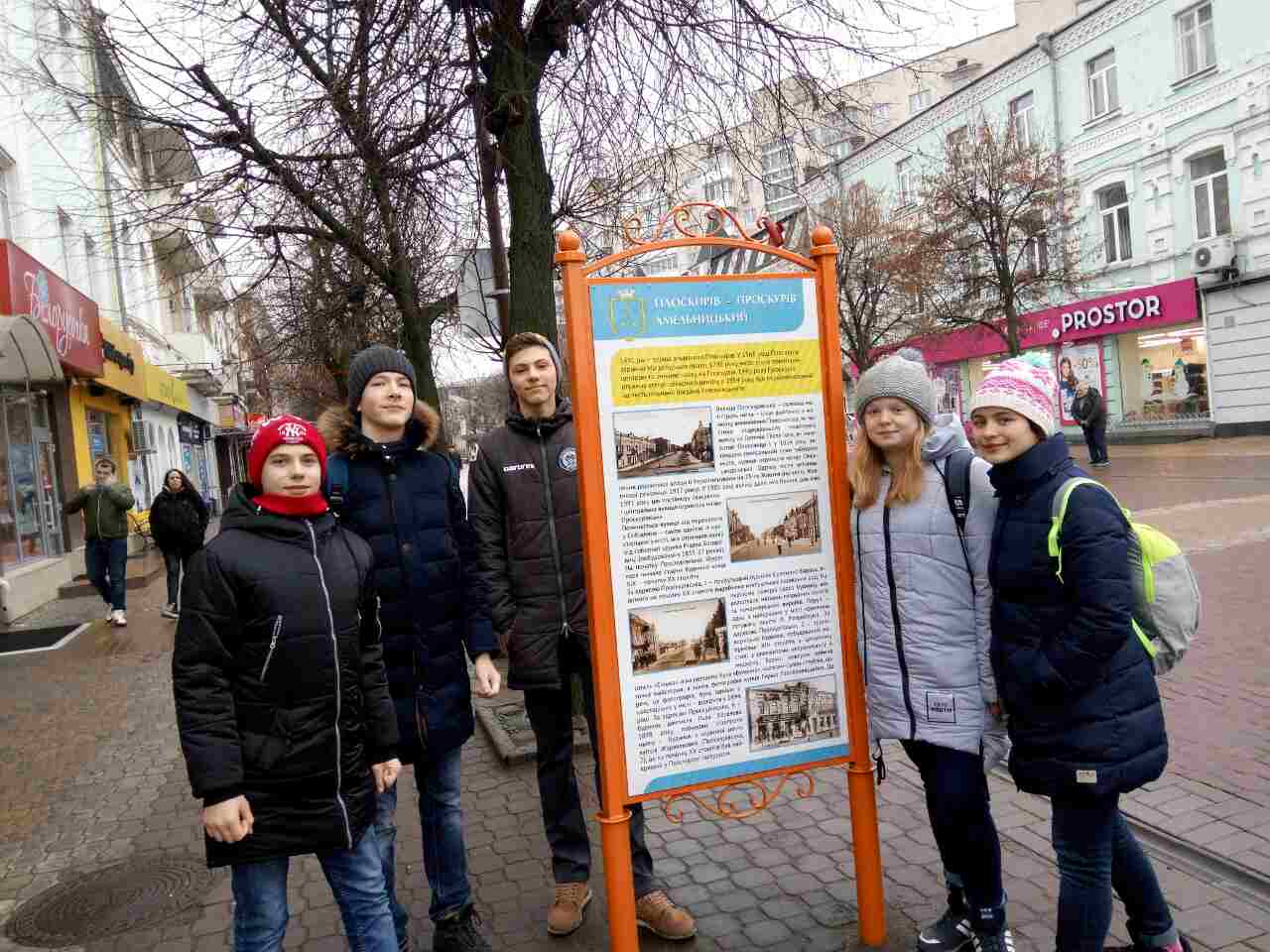
“The project aimed, among others, at using the capabilities of Google Maps, to create an interactive cultural and tourist map of Khmelnytsky and the Khmelnytsky region, with the drawing of monuments of historical and cultural heritage; to make community history interesting and interactive; and to promote the increase of the interest of young people in the history of their city and region.”
How did the project foster cooperations and partnerships?
“The idea of the project was to ensure, through the pedagogy of the partnership, the cooperation of teachers from different subjects, parents and children.”
What was the best practice learnt from this project that you want to share?
“The best practice extracted from this project is the creation of the site ‘Interactive tourist map of Khmelnitsky and Khmelnitsky region‘. For two months the site was visited by 2000 people. A good practice is to conduct excursions along the routes. Invitation to co-operation from many schools in the city, as well as from GreenWays Active and ecological tourism associations for the joint creation of a map of cycling.”
The idea of the project was to ensure, through the pedagogy of the partnership, the cooperation of teachers from different subjects, parents and children.
Interactive cultural map
- Category: National projects
- Coordinator: Gymnasium №2 in Chmelnyzkyj mit dem Status “Assoziierte Schule der UNESCO”.
- Country: Ukraine
- Focus: School teachers, parents, children
- Innovative cooperation: Pedagogy of partnerships
- Resources: Facebook page
Text: EAEAPhotos: Interactive cultural map project