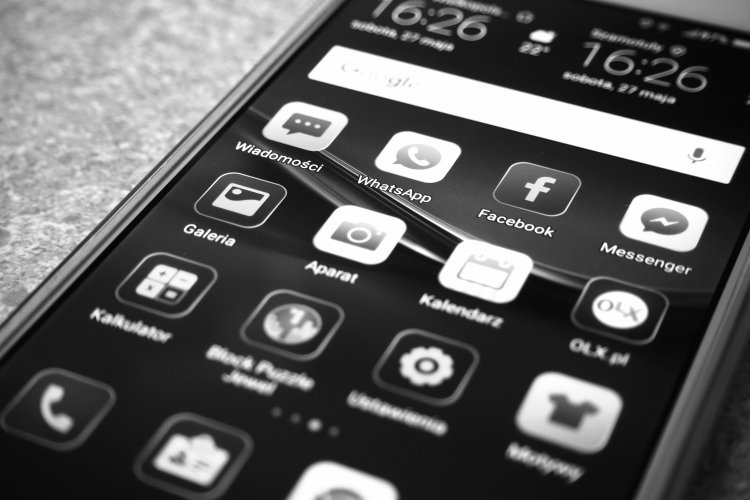
The Smart Generation project aims at enhancing the conscious use of smartphones.
04.09.2017

The Smart Generation Pedagogical Model encourages a conscious use of smartphones

The Pedagogical Model of the Smart Generation consortium is now available! The model, entitled “Smartphone Education”, is a key output of the project, proposing a series of workshops on how to use a smartphone in a conscious way.

As the Smart Generation project is now coming to an end, the partners are finalizing the last outputs. This has meant the testing of the Pedagogical Model, which aims to help teachers and educators run comprehensive workshops on smartphone education.

Organised around 4 areas: digital identity, relationships, safety and knowledge, the model proposes 60-minute workshops on each topic, which can be further developed into longer sessions. Each workshop consists of several short activities, easy to use by teachers who only want to implement some elements of smartphone education in their daily work.

The model was tested by 21 schools, 6 non-formal education providers and 93 teachers and educators. More than 1,500 young learners participated in the testing. The findings were discussed during the fifth Steering Committee, which took place in Rujiena, Latvia, on 17-18 July.

The results will now feed into the policy recommendations that the partners are currently preparing, and will be presented during two events: in Modena on 25 October and in Brussels on 20 November. There is a limited budget to support the participants in their travels – should you be interested, please contact Aleksandra Kozyra.


Text: Aleksandra KozyraPhotos: Mateusz Dach

27.01.2026 digital literacy

RESCALE project: Reskilling adults for the green and digital transition

Europe’s green and digital transitions are transforming labour markets, but many adults still lack the skills to keep up. The RESCALE project pilots Reskilling Labs to improve support for learners who are currently underrepresented in education.

27.01.2026 digital literacy

Between tradition and technology: ETHLAE talks to educators in Romania

In January 2026, educators gathered in Timișoara for another ETHLAE capacity-building activity. Representing special needs schools, specialised STEM schools, prison facilities, and Romania's second chance education programme, these educators came together to explore a fundamental question: are we properly using technology in adult education?

22.01.2026 adult educators

Micro-credentials to create accessible and inclusive learning pathways

The PRISCILA initiative wrapped its activities in December 2025, with the publication of the final guidelines dedicated to co-designing micro-credentials and flexible learning pathways for adults with a migrant background and to developing ALE educators’ competences in these areas.