

What is Adult Learning and education? Why do we work in ALE? What is formal and non-formal learning?
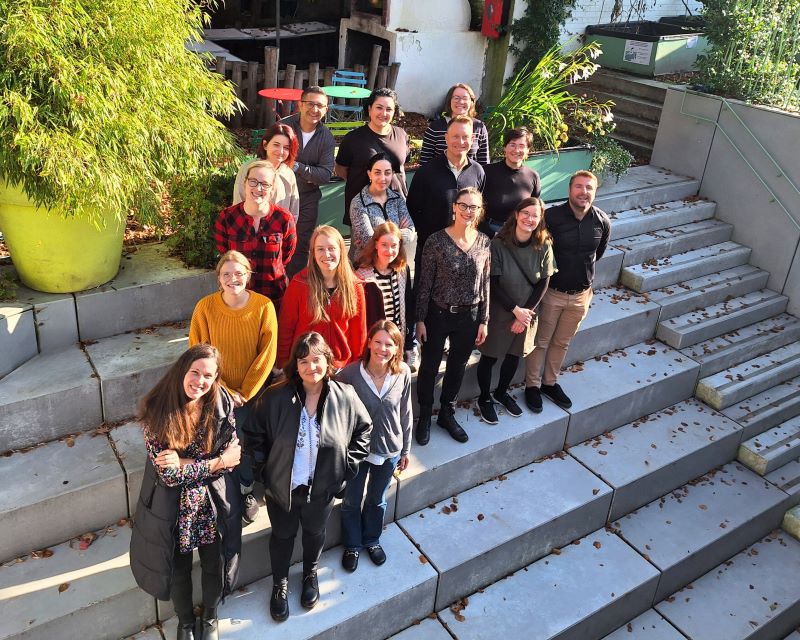
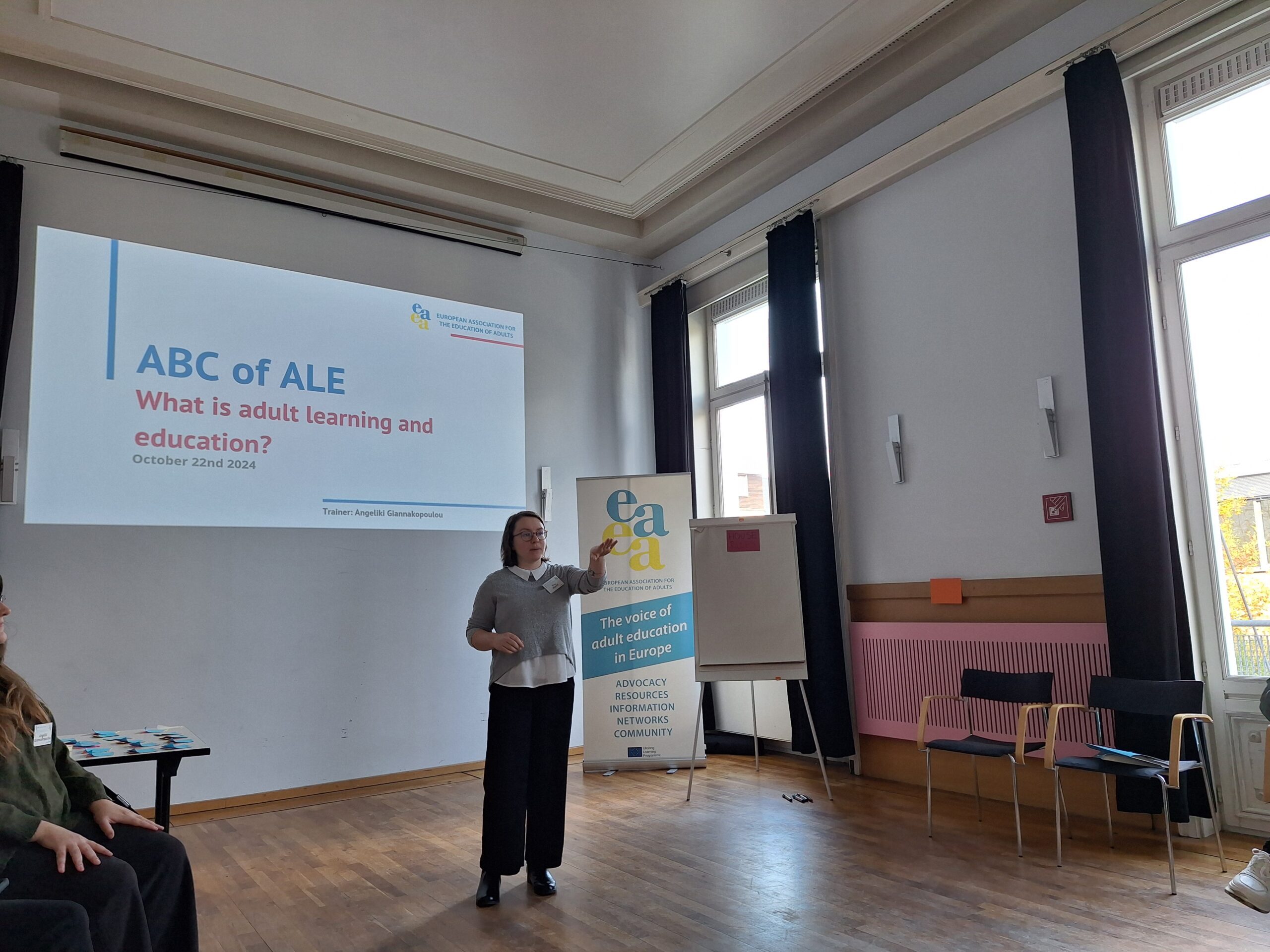
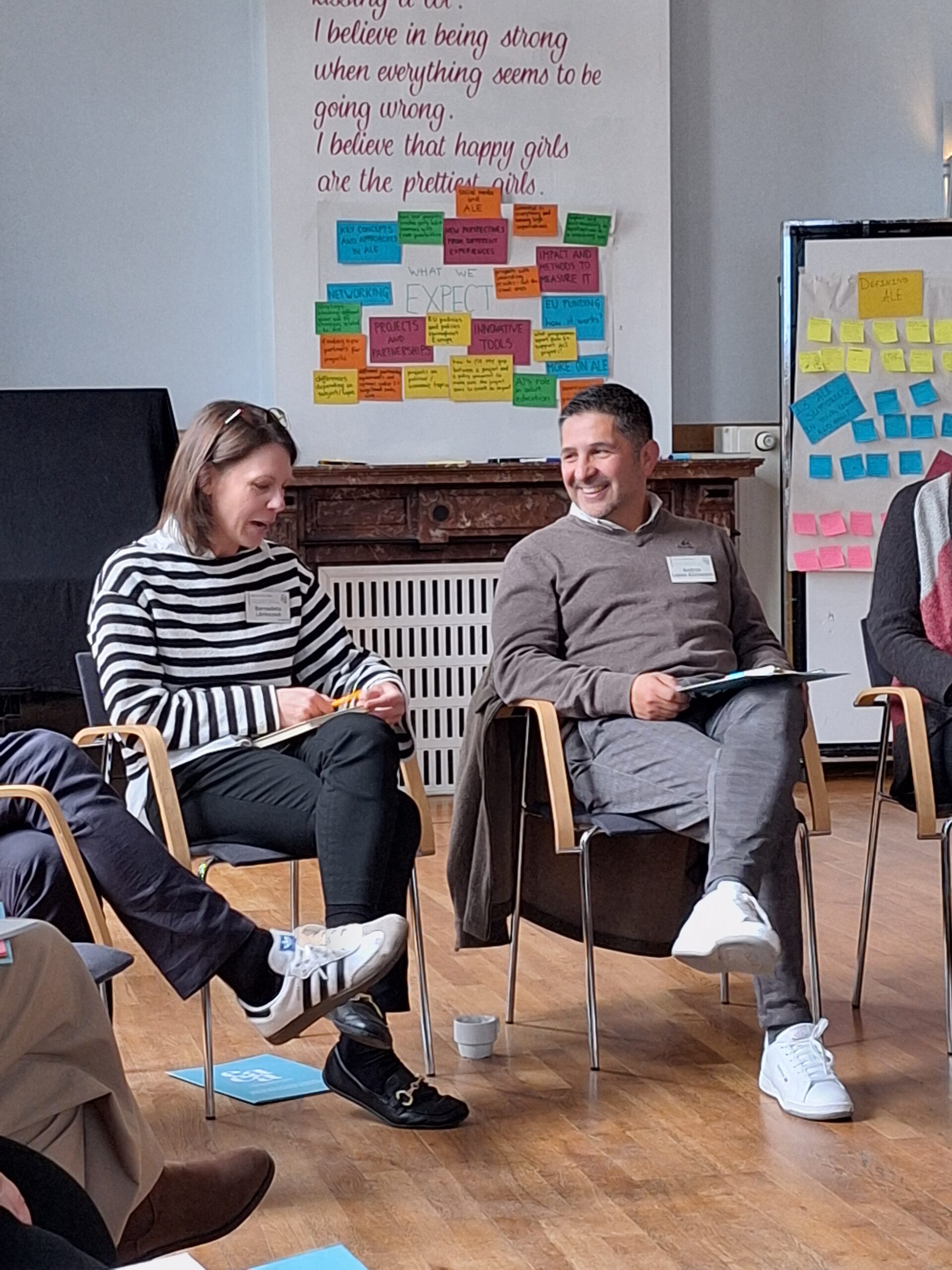
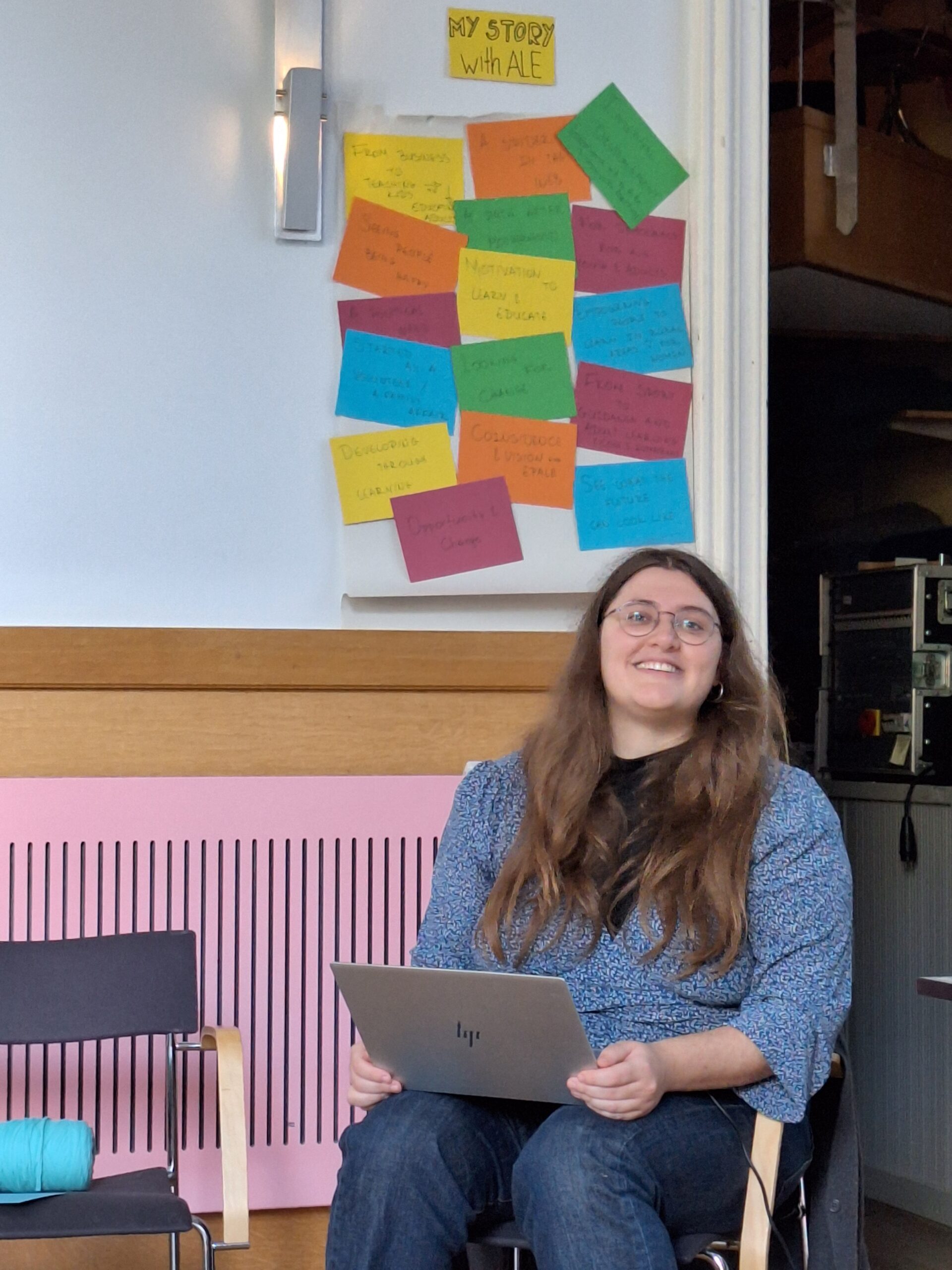
Angeliki Giannakopoulou, Policy and Project Coordinator at EAEA guided the discussion of the group on the transformative nature of ALE and as a force for change. The group shared insights into adult education, while also exploring deeper ALE as a form of holistic education, empowerment, democracy, and as a tool for liberation. Our 15 participants, coming from across Europe, had an interesting exchange of their experiences and personal stories in ALE and discussed how we form meaningful connections through learning and engaging.
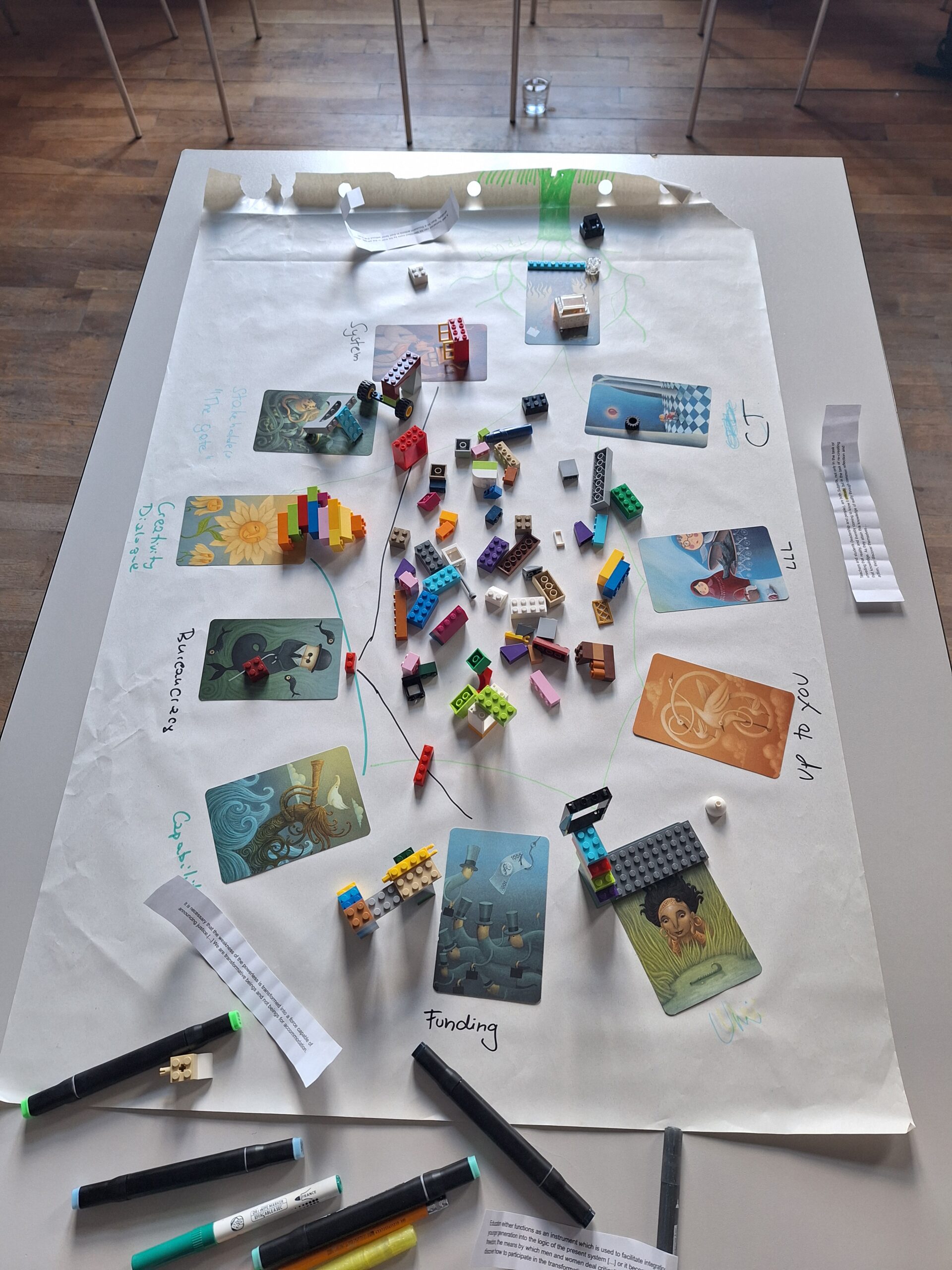
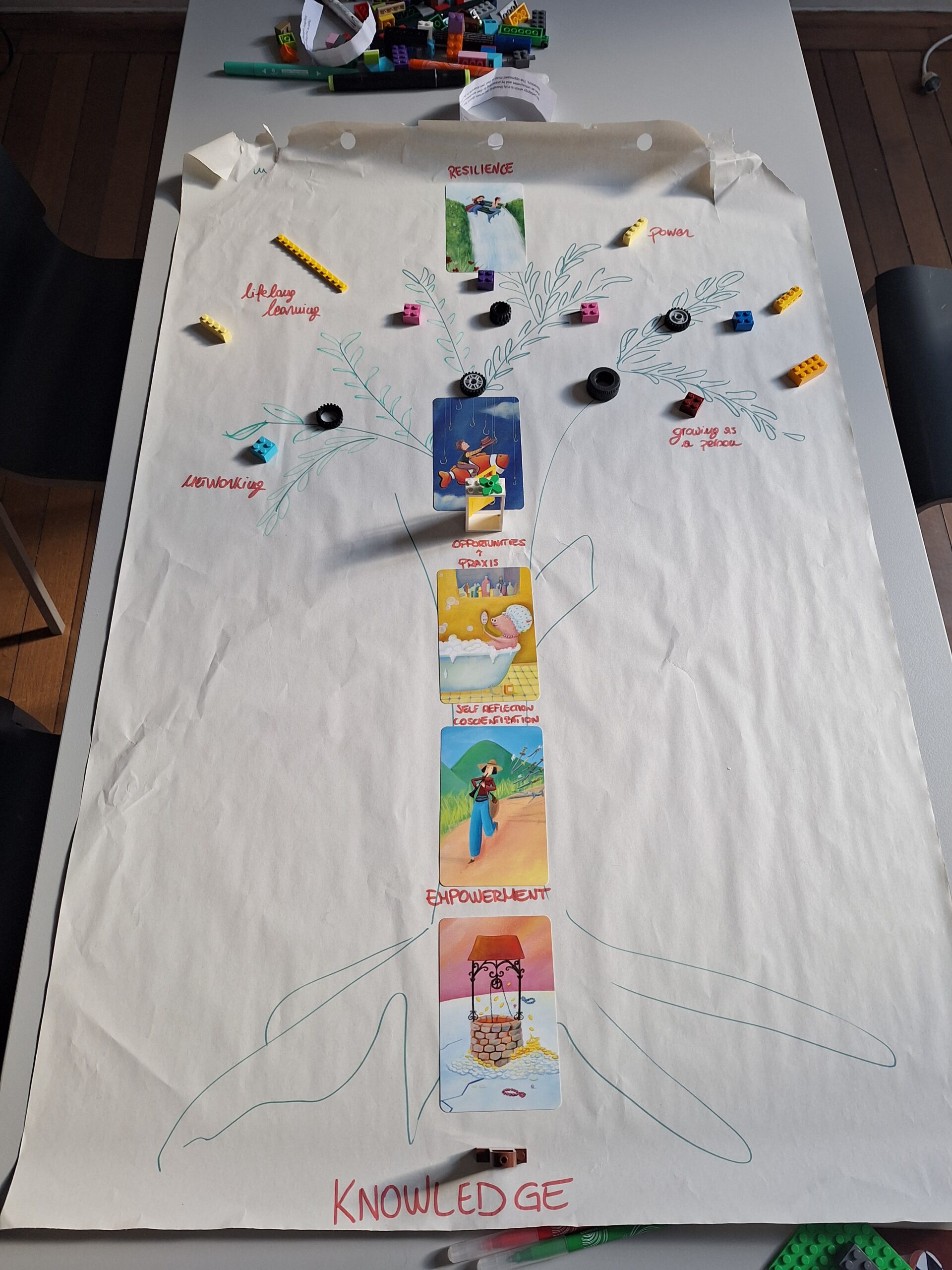
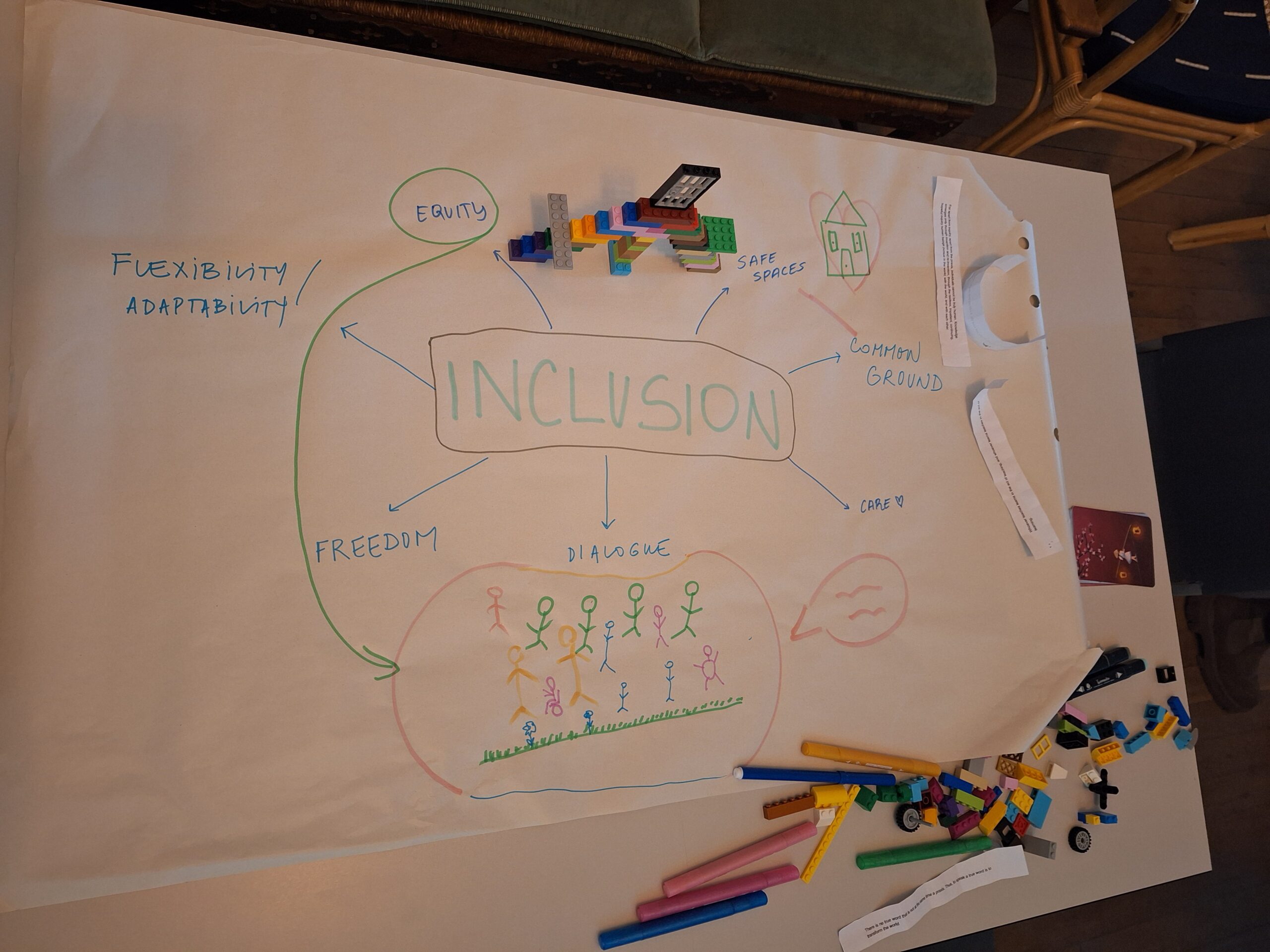
During our second day, Angeliki also introduced the importance of the concept of non-formal adult education as learning that occurs outside traditional learning settings and is flexible and tailored to the needs of adult learners, following their claims of the communities in which non-formal education occurs. Participants co-created their understanding and vision for non-formal adult education in their national settings, through an internationalist lens. For this co-creative process, the participants were challenged to apply key theoretical schemas like “praxis”, “critical consciousness” and “pedagogy of the oppressed” to their work, highlighting the idea that adult education can be a means for us and our societies to become critically aware of what is around us at a level that we are actually able to transform it!
Bildung and Democracy
Christin Cieslak, Head of Programmes and Stakeholder Engagement, introduced the concept of Bildung as a kind of holistic education that supports development through critical thinking, adaptability, and engagement. She outlined the core concepts and invited participants to explore if the concept exists, or not, in their national contexts.
“Democracy is not a given and depends on people claiming it. It is something that must be learned over and over again.”
Participants learnt about democracy and adult learning from Raffaela Kihrer, Deputy Secretary General and Head of Policy at EAEA. Non-formal ALE promotes active citizenship, critical thinking and other key competences and skills associated with “democracy competences’. Raffaela Kihrer underscored that “Democracy is not a given and depends on people claiming it. It is something that must be learned over and over again.”
Lire et Ecrire: Advocating for the right to Basic Skills in Wallonia
Lire et écrire develops literacy actions for a public with little or no schooling who wish to learn to speak, read and write in French. The organisation shared its three main goals:
- to draw the attention of public opinion and the public authorities to the persistence of illiteracy and to the urgency of combating its causes and finding solutions,
- Promoting the effective right to quality literacy for every adult who wishes to do so
- develop literacy with a view to the emancipation and participation of people and social change towards greater equality.
This study visit allowed participants to experience the societal and political importance of ALE and the role of the organisation in advocating for the right to literacy.
CVOBrussel: Adult Education in Flanders
Participants also visited the CVOBrussels campus, where they learnt about innovative training courses that combine on-the-job training and languages courses from Inge Vandensande. The visits were an opportunity to gain an overview of the demographic and education breakdown of Brussels, and how Flemish adult education centres tackle these disparities.
Lessons learnt and group reflections
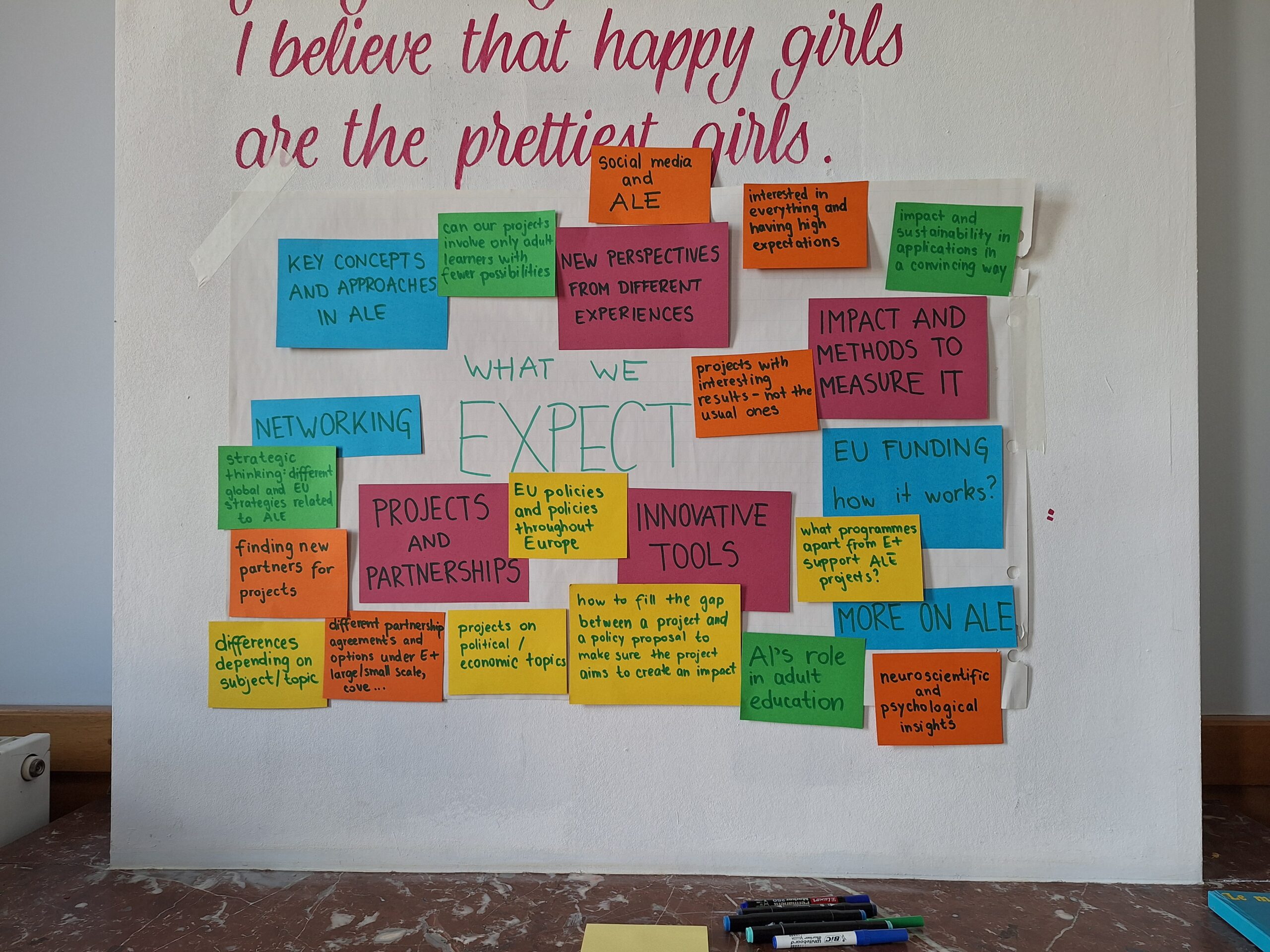
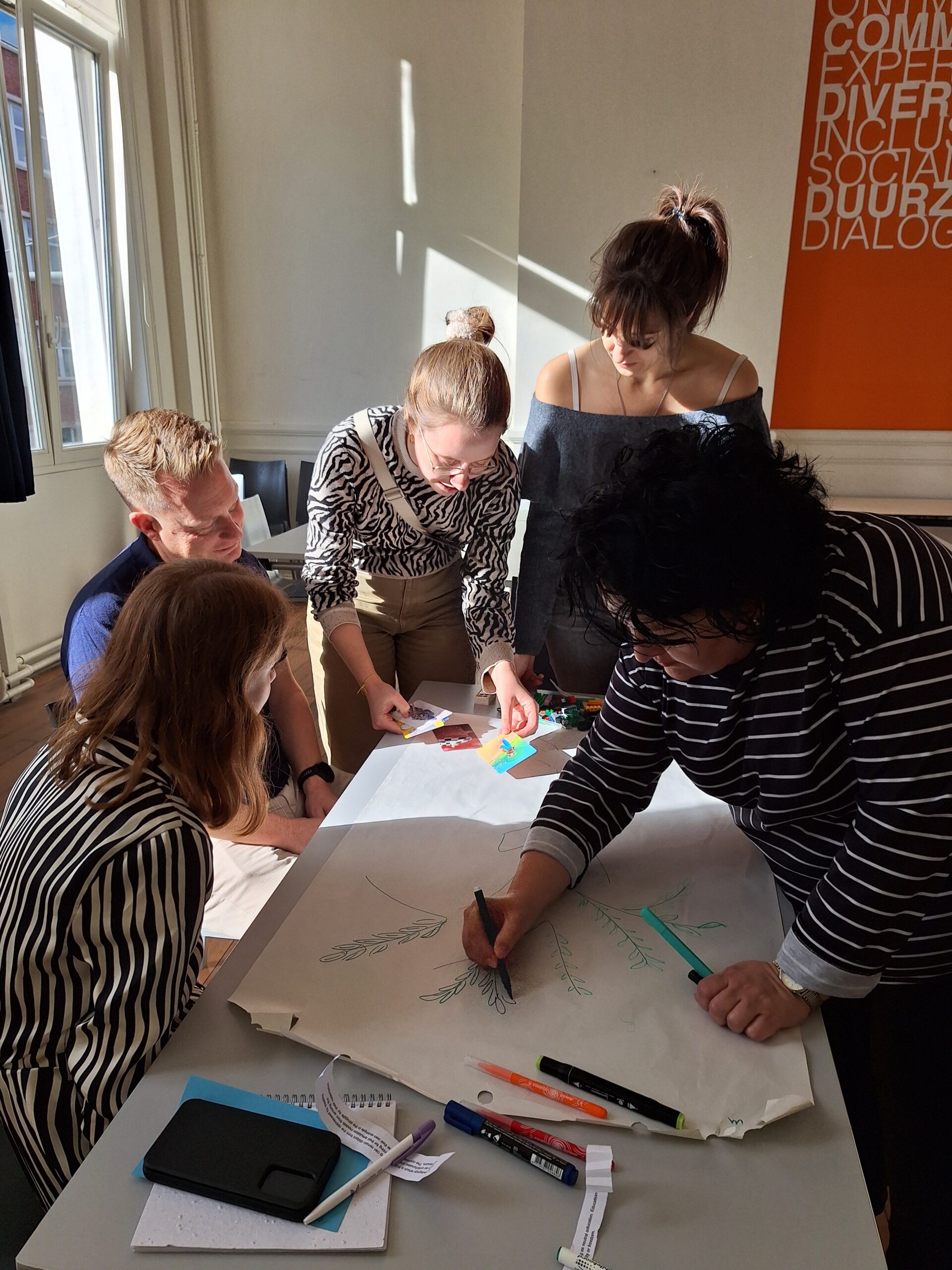
On the last day, Tina Mavrič, Head of Capacity Building and Marina Sakač Hadžić, Communication and Capacity Building Officer, lead a group reflection session where participants shared their feedback on the four-day training programme. Highlights shared by participants included the simulation game on democratic discussions around ALE, the networking and partnership building, the two study-visits and the setting of Elzenhof where the meeting took place.
Text: Charlotte Ede