
The transnational report attempts to illuminate how adult education policies are shaped, implemented and monitored in four DIMA partner countries: Cyprus, Ireland, Slovakia and Slovenia. It also discusses the impact that EU policy documents in the field have on national strategies, focusing particularly on the European Agenda on Adult Learning, EU’s Education and Training strategic framework, ET2020, and the EU benchmark in participation in adult learning.
What’s happening on the ground?
Offering more than a descriptive account of adult education policy development, the report compares and contrasts how certain challenges are addressed at the policy level in the four partner countries. Interestingly, while some problems seem to be country-specific, others are raised by most partners: such is the case of data collection, policy monitoring and consultation processes, often judged as inadequate by members of the consortium. At the same time, the report includes case studies in policy work, highlighting the importance of sharing best practices across Europe.
The report has been prepared thanks to contributions from all DIMA partners, with their national reports available upon request.
The way ahead
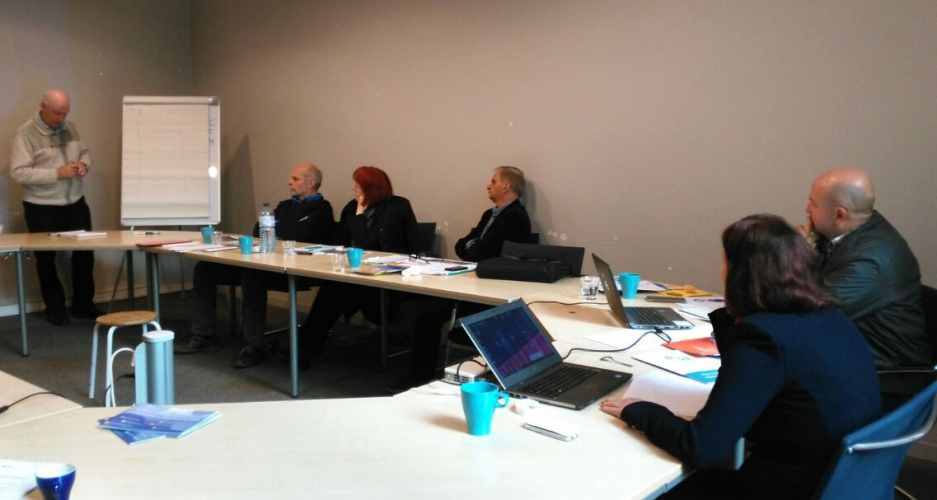
The official launch of the report comes two weeks after the second consortium meeting, which took place in Brussels on 21–22 April. The partners discussed how the steps that have been achieved, that is, the transnational report and the needs analysis (which will be published shortly), can lay the groundwork for the upcoming project outcomes: the training curriculum and the practical toolkit.
EAEA will keep you posted on the developments – stay tuned for the launch of the needs analysis and the DIMA newsletter!
Text: Aleksandra KozyraPhotos: Francesca Operti