
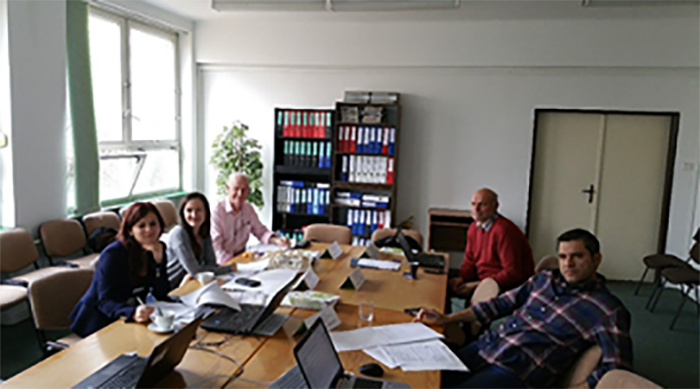
As many countries in Europe still lack comprehensive adult education strategies, the DIMA project consortium has been developing a practical toolkit on designing adult education policies and strategies. At the meeting in Bratislava, which was held on 3-4 November, the toolkit took final shape and the partners moved on to develop further outcomes.
A comprehensive source of materials
The toolkit will be a simple and interactive tool helping to plan adult education policies and strategies. Looking carefully at different stages – such as needs assessment, consultations and monitoring – the units of the toolkit could be used both as a step-by-step guide as well as stand-alone materials for policy-makers interested in focusing a particular issue.
For those interested in learning from best practice examples, there will also be a separate section exploring success stories in European adult education strategies.
The partners have now moved on to the next stage of the project and are developing a curriculum on adult education policy-making and strategy development. The proposed course, which can be delivered partially or fully online, will follow up on the content of the toolkit and explore its themes in more detail by offering additional readings and incorporating assessment.
The pilot implementation of the course will start early next year and will take place in all the partner countries.
Should you be interested in joining the course or find out more about the project, contact EAEA Project Officer Francesca Operti: francesca.operti[a]eaea.org.
Text: Aleksandra KozyraPhotos: DIMA project