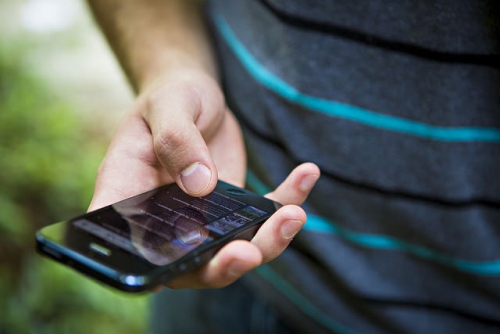
Smart Generation concentrates on media education as innovative methodology on new means of communications. Smartphones and tablets are considered as interesting tools to support citizenship processes in the society of knowledge. The project aims to promote different didactic methods that see media both as a means and an education content.
Smart Generation is coordinated by the Cultural Centre F.L. Ferrari and co-financed by the European Commission’s Erasmus+ programme. The kick-off meeting was held at Ferrari Centre Offices with the participation of the European partners, including EAEA, EAEA member SolidArci of Caserta from Italy, Ciber Voluntarios from Spain and the ANFRM Association from Romania.
Training programme and a web platform foreseen
Among the different actions, the project foresees an educational training programme on the use of new technologies for 500 young people (aged 12-17) and 70 European educators (teachers, animators) through the Media Education labs within and outside school environments.
Smart Generation will also structure a social research phase on educational needs involving 1,500 young people and over 500 adults (teachers, animators, educators) in the European territories. The outcomes developed during the project will be available on a web platform.
One of the main tools of the project is sociotherapy, a social science that examines groups of people, their individuals and behaviors, and uses the information collected during the case studies to contribute towards a systemic enrichment of social and living conditions.
Text: Cultural Centre F.L. FerrariPhotos: CAFNR, Takashi Hososhima