

Active ageing is finally on the EU agenda. A new strategy on Intergenerational Fairness will be published next year. It should include both the need for more intergenerational dialogue, children and youth rights and active ageing and anti-ageism measures.
This year, members of the European Parliament also launched the Intergenerational Forum with Commissioner Glenn Micallef and Commissioner Dubravka Suica, responsible for demography. In October, in commemoration of the International Day of Older Persons, MEP Idoia Mendia and MEP Michał Szczerba launched this forum which builds on the Interest Group “Europe for All Ages”. The forum will contribute to the new EU strategy mentioned above.
Citizens’ recommendations for the intergenerational strategy include education and learning
This new strategy is being co-created. After the organisation of focus groups and the feedback from the general public in an open consultation, a European Citizens’ Panel was also organised this year. 150 citizens from the 27 Member States gathered to discuss: What should we do today to make the European Union fair for all current and future generations? This European Citizens’ Panel on the future Intergenerational Fairness took place over three weekends between September and November 2025, including an in-person session in Brussels.
The citizens propose 24 recommendations towards a long-term vision for a fairer Europe, including measures focused on education and learning. Citizens believe in promoting lifelong learning for all ages, which should be high-quality, free and inclusive. They also emphasise the need for more spaces for intergenerational learning and practical exchange, where all generations bring their knowledge. Embedding civic education in learning offers was recommended, as both young people and adults should be encouraged to participate actively in society and understand their rights and duties.
Reaching out to older persons
EAEA has also been working on active ageing and promoting learning later in life for years, and more intensely in the last 2 years with the project Ageing Well, co-funded by the European Union.
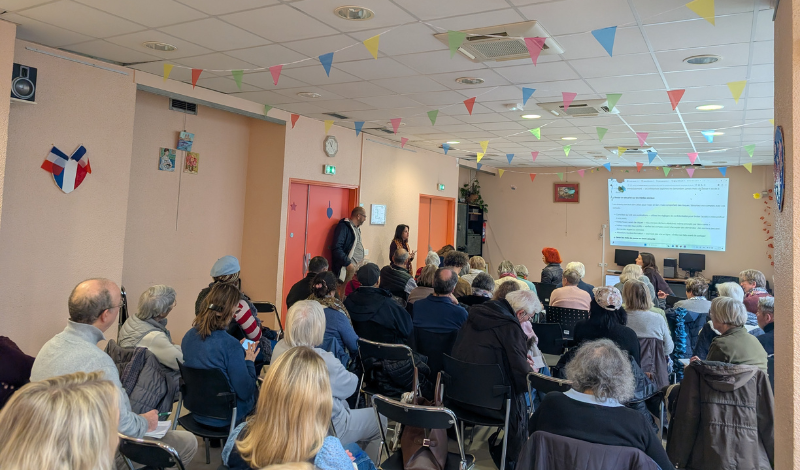
A debate with seniors was organised. We will walk you through the main conclusions! The debate covered digital security and digital well-being. Concrete tips were given on social media, email and other ways of communicating online, as well as questions of spam email and phishing threads. Seniors debated the use of some online tools: some mentioned that they prefer to “just avoid applications altogether”, others said that they “always call their children”. Some participants gave concrete ideas on how to be safe online. Overall, the debate showed fear and mistrust that seniors still have about new technologies, but also the importance of family and community support, as this mutual learning opportunity. The importance of storytelling, the development of visual materials and traditions/life stories were also debated as a spark to begin learning.
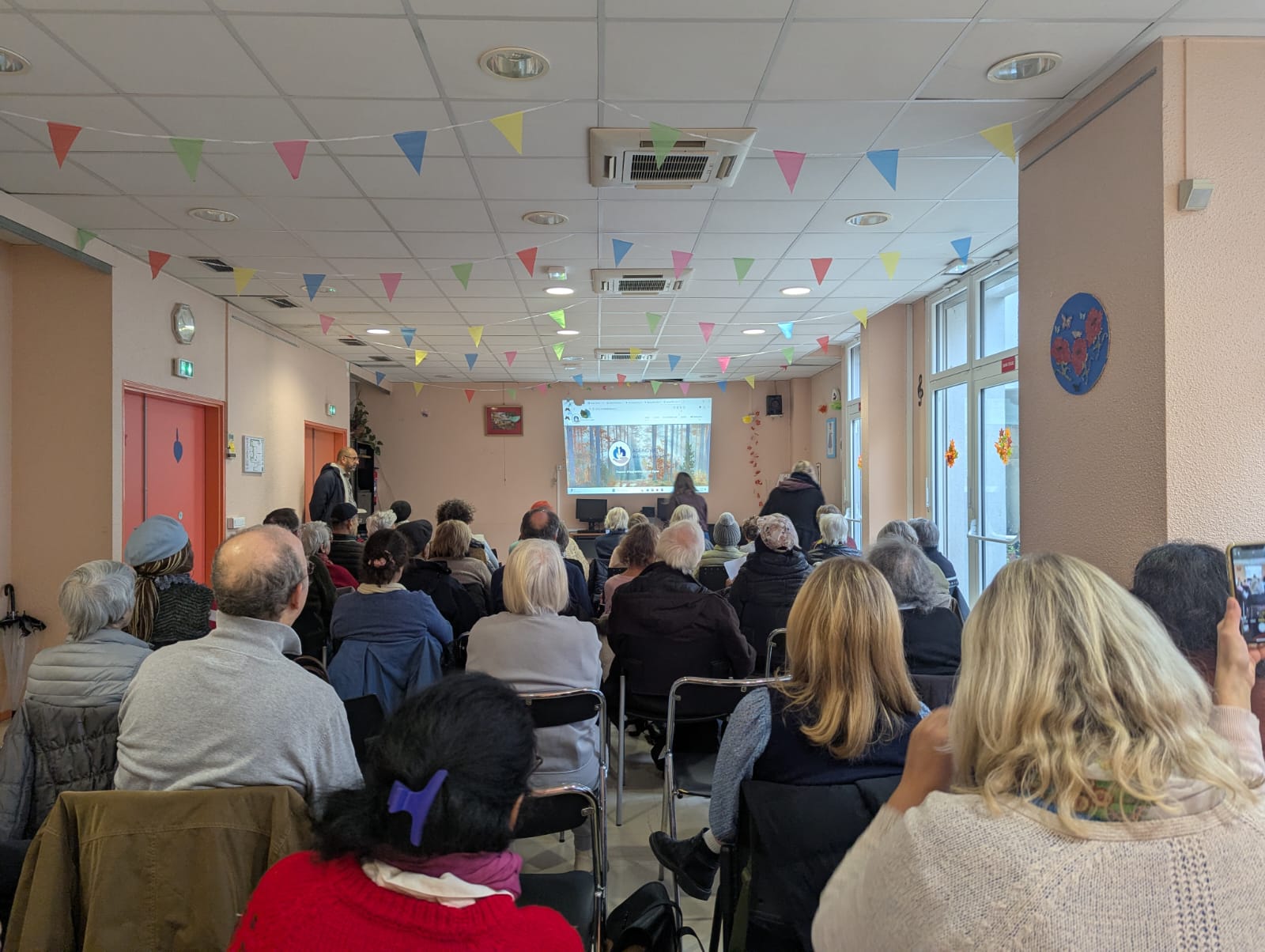 | 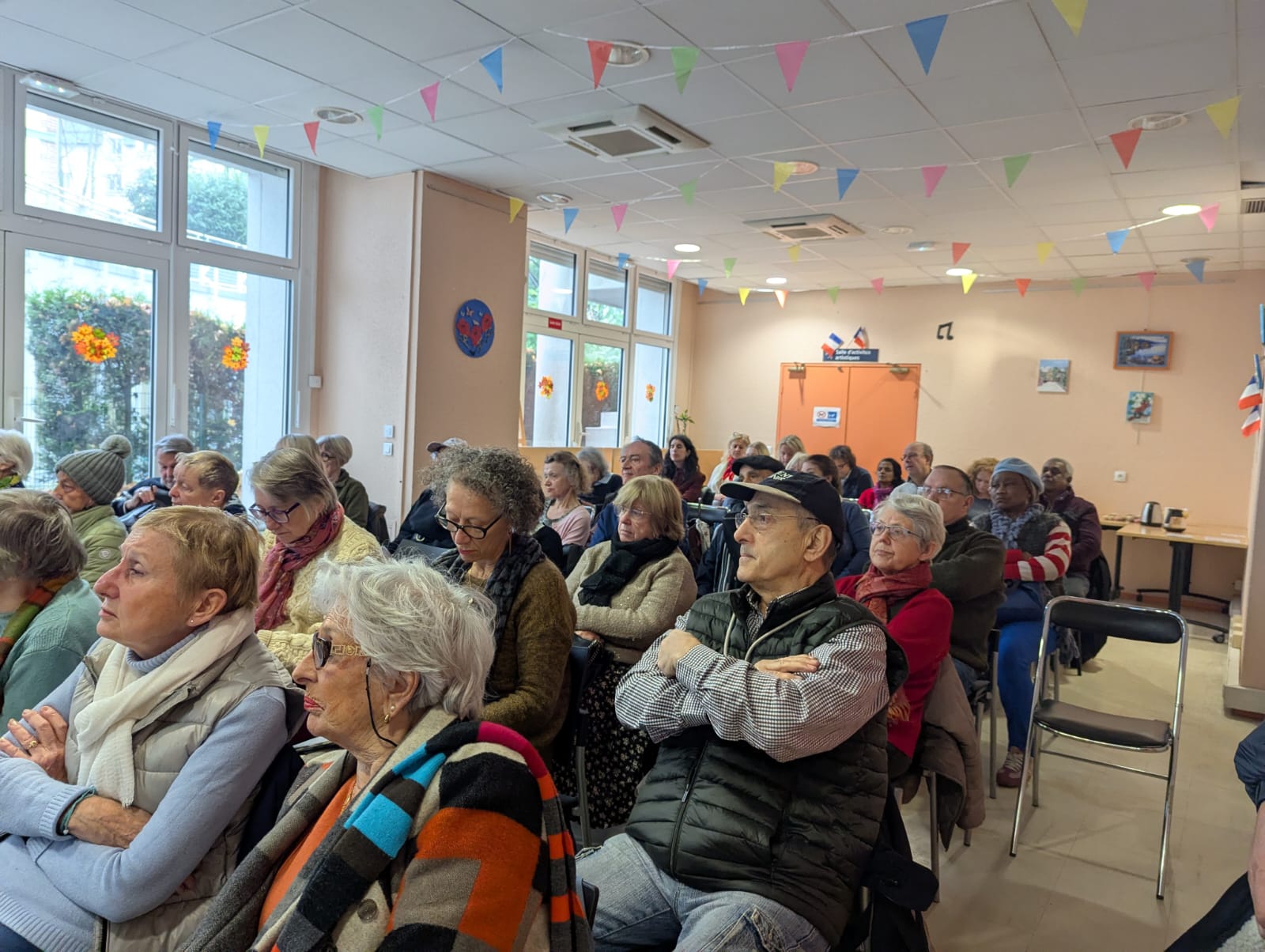 |
It was inspiring for EAEA to participate in a conference with the main target group, which showed, once more, the importance of continuing learning and creating spaces for debate between older persons in more informal contexts.
Ageing Well: Science-based habits of people who age well
The project has now come to an end, but the main tools will stay available on our website. Over 2 years, the partnership developed and tested a Toolkit, a Training Programme for caregivers and care professionals and an eLearning platform for adults 65+!
All are available in 5 languages: English, French, Spanish, Greek and Czech!
Thank you so much to all the partners and colleagues who participated in the development of all these resources.
Visit our website to learn more about the project and make use of these resources!
The Ageing Well: Science-based habits of people who age well project was co-founded by the European Union and was developed between December 2023 and November 2025. The project was coordinated by e-Seniors and gathered 7 partners, including EAEA.
Text: Maria Gonçalves RibeiroPhotos: Maria Gonçalves Ribeiro