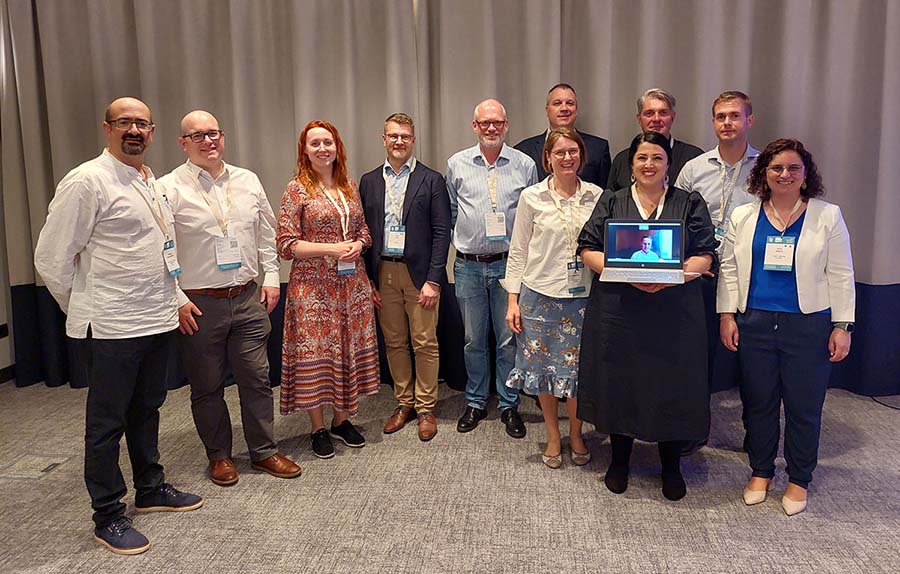
Executive Board in group picture: George Koulaouzides from Hellenic Open University, Alex Stevenson from Learning and Work Institute / Sefydliad Dysgu a Gwaith, Anna Skocz from STOP, Lauri Tuomi from the Finnish Lifelong Learning Foundation, Uwe Gartenschlaeger from DVV International, Balázs Németh from University of Pécs, Marta Jendeková from AIVD, Dearbháil Lawless from AONTAS, Oleg Smirnov from Integration and Development Center for Information and Research (via Zoom), Gustav Fridolin from Swedish Interest Organisation for Popular Movement Folk High Schools and Dina Soeiro from Coimbra Higher Education School – Polytechnic Institute of Coimbra.
21.06.2023

New Executive Board elected

At the General Assembly on 6 June in Zagreb, EAEA members elected a new Executive Board and President.

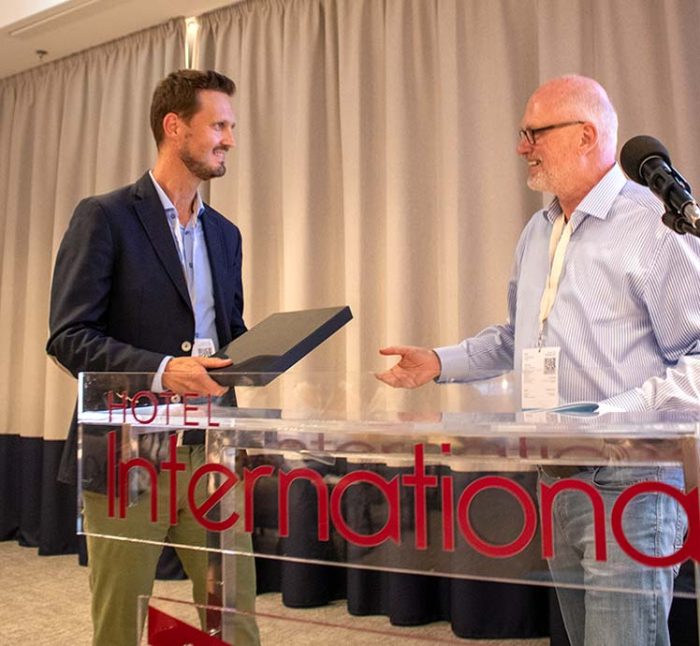
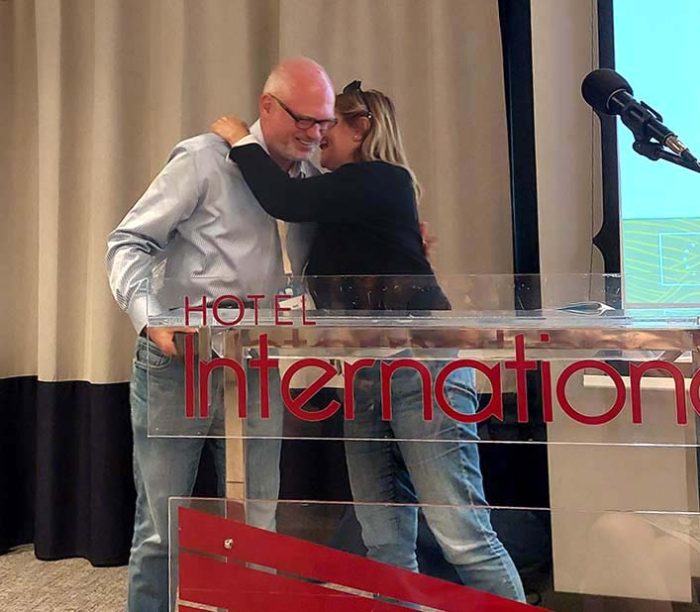
Uwe Gartenschlaeger, Director of DVV International (Germany) continues his presidency to the third and final term. Bernhard Grämiger from SVEB (Switzerland), Karin Tudal from La Ligue (France), and Klaudius Šilhár from AIVD (Slovakia) finished their term on the Board. The EAEA Executive Board consists of 12 members and was elected for the period 2023-2025. 
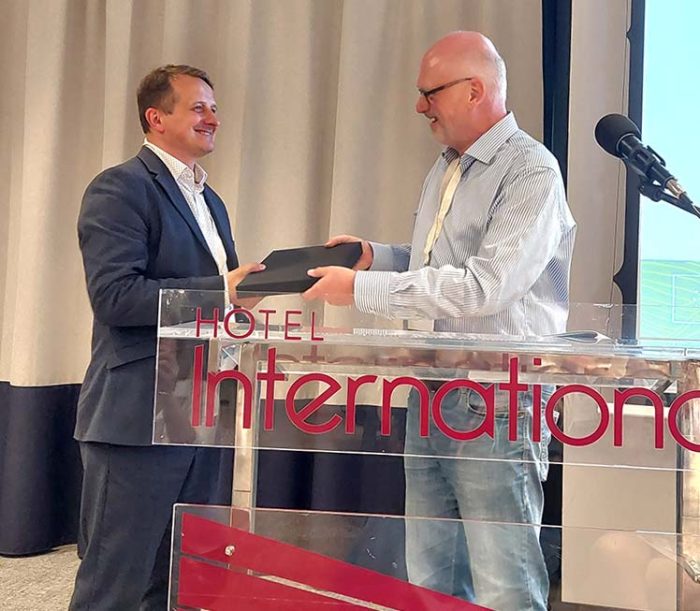
Klaudius Šilhár, Bernhard Grämiger and Karin Tudal receiving photo albums from Uwe Gartenschlaeger.

The new board members are:

John Evers, Austria
Verband Österreichischer Volkshochschulen

Dearbháil Lawless, Ireland
National Adult Learning Organisation (AONTAS)

George A. Koulaouzides, Greece
Hellenic Adult Education Association (HAEA)

Marta Jendeková, Slovakia
Association of Adult Education Institutions in the Slovak Republic (AIVD SR)

Dina Soeiro, Portugal
ESEC Instituto Politécnico de Coimbra

Alex Stevenson, UK
National Learning and Work Institute (England and Wales)

Oleg Smirnov, Ukraine
Integration and Development Center for Information

Anna Skocz, Poland
NGO Trainer’s Association/Stowarzyszenie Trenerskie Organizacji Pozarządowych sTOP

Lauri Tuomi, Finland
The Finnish Lifelong Learning Foundation (KVS)

Gustav Fridolin, Sweden
Swedish Interest Organisation for Popular Movement Folk High Schools (RIO)

Balázs Németh, Hungary
University of Pécs

Text: EAEAPhotos: EAEA

22.05.2026 skills

Farmers are ready to adapt to the twin transition — but training systems must be adjusted too

Europe’s farmers are often portrayed as resistant to change. Yet across the continent, farmers are already navigating climate pressures, sustainability requirements, rising costs, labour shortages and rapid technological change. The challenge may not be a lack of willingness to learn, but whether education and training systems are designed for the realities of agricultural life.

12.05.2026 digitalisation

Strengthening adult education through emerging technologies

While new technologies, such as Artificial Intelligence (AI) have become more and more integrated in formal education settings, adult education has yet to profit properly from these technological advancements.

11.05.2026 Democracy

Democratic resilience starts with the protection of civil society

As civic space narrows across Europe, civil society organisations play an increasingly vital role in defending democracy and participation. EAEA urges European institutions and Member States to take action to protect civil society as a crucial democratic actor.