
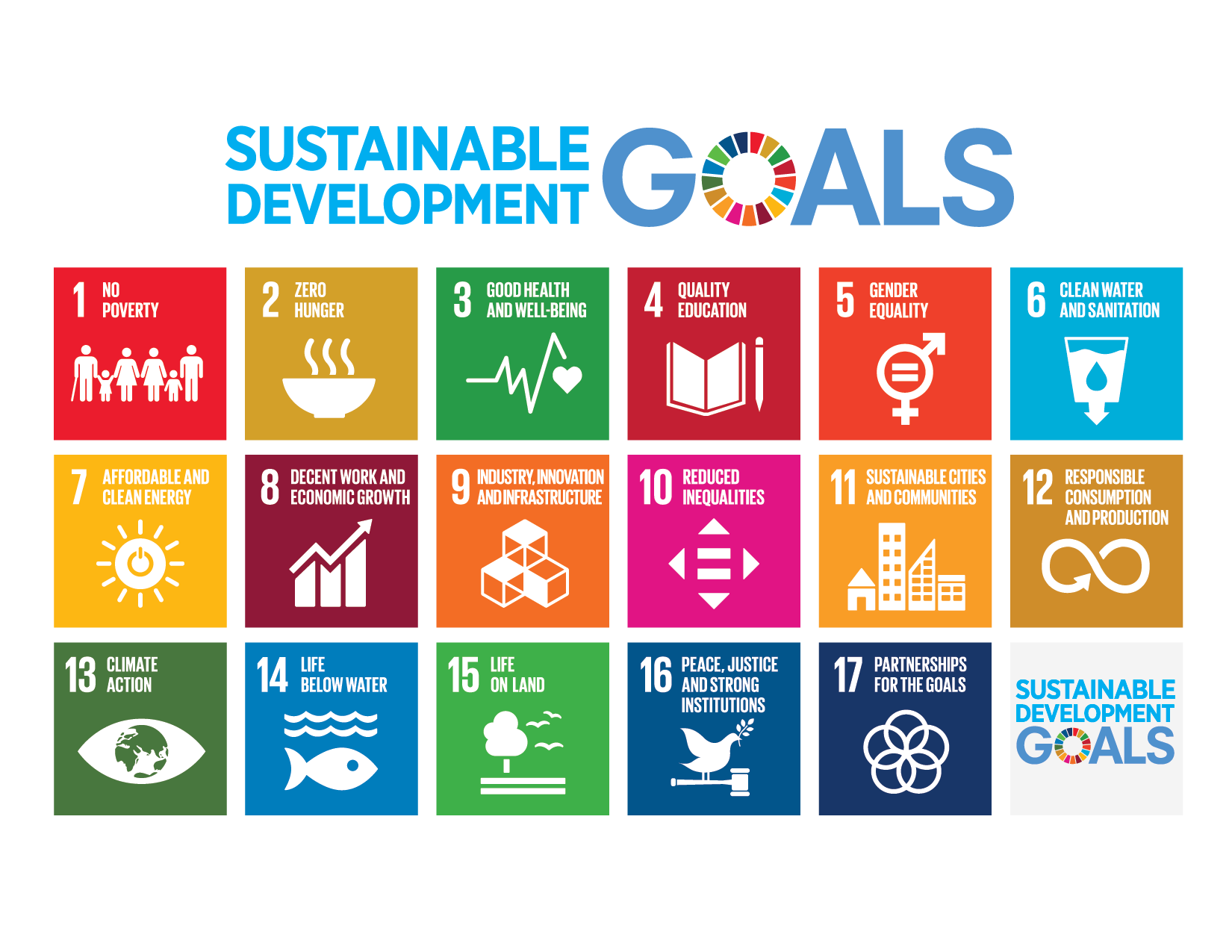
How does adult education relate to the Sustainable Development Goals? In many ways, new EAEA background paper discovers.
28.09.2018

New EAEA background paper on adult education and sustainability

Adult education contributes to and promotes many of the Sustainable Development Goals. New EAEA background paper takes a closer look at the interlinkages between adult education and sustainability.

Adult education, especially non-formal adult education, contributes to the individual as well as collective development of societies in many ways. Besides providing skills and competences, adult education contributes to social inclusion and the acquisition of life skills. The EAEA background paper “Adult Education and Sustainability” focuses on the Sustainable Development Goals (SDGs) and shares the linkages between then and adult education.

The paper examines how adult education contributes to the SDGs as well as reflects on the challenges faced by non-formal adult education and the measures needed to go from theory to concrete actions.

Read the backround paper Adult Education and Sustainability and see also our previous statements.

Text: EAEAPhotos: United Nations

24.04.2026 Democracy

Digitalisation, skills, and community learning: what’s at stake for adult education in Europe

Europe’s digital transition is reshaping how people work, participate in society, and access services. Yet many adults still lack the basic digital skills needed to benefit from these changes, raising urgent questions for policymakers and adult learning providers alike: how can ALE systems become more inclusive, better funded, and more responsive to learners’ realities?

23.04.2026 access

How do we build trustworthy and transparent adult education registries?

The RALExILA initiative came to an end in late March 2026, with the release of the guidelines and models to support the development of accessible, inclusive and interoperable (digital) ecosystems for adult education and individual learning accounts.

21.04.2026 adult educators

Supporting a culture of quality in the ALE sector

For many educators and policymakers, ‘Quality Assurance’ is linked to strong bureaucratic processes and additional workload, while in our approach Quality Assurance in education is to be seen as a mindful process of continuous improvements.