
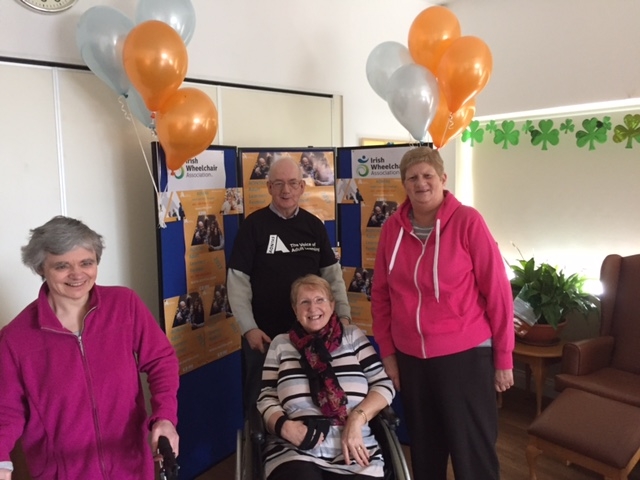
The YOGA AONTAS project build on the idea of Helga Einarsdottir from Helga’s Wellness Centre to make an adapted yoga, mindfulness and relaxation program for persons with physical and sensory disabilities. The main goal was to adapt a programme which physically, mentally and spiritual benefits the group.
Originally introduced as part of AONTAS Adult Education Learning week, the project idea was formed so as to provide an adapted programme for persons with physical and sensory disabilities. The classes included not only practice of yoga, which helped the participants relax, but also mindfulness – a technique which focuses one’s attention on the present moment to accept it without judgement.
“We wanted to teach the learners yoga and mindfulness techniques which they could use in their everyday life to help them relax and promote good mental health and wellbeing,” says Eileen O’Brien, coordinator of the project.
The program has been designed to be specifically adapted for people with disabilities. Indeed, the Yoga practiced by the group in the sessions is very relaxing and is built so everyone could remain seated. The main learning from the program was to have a limit on the group size so those attending can get max benefit and support. Everybody who had participated felt relaxed and rejuvenated after the sessions and reported that they felt that it relieved stresses and improved their attention and concentration spans. The physical benefit reported was of increased flexibility and improved energy and vitality.
All spoke of how they could complete the relaxation exercise at home and this would help maintain their flexibility and circulatory health. The program was such as success that several programs have been ran since.
“The project demonstrated that yoga and mindfulness can be practiced by persons of any physical ability and the benefits of it are huge to the individuals,” Eileen O’Brien summarises the project achievements.
The remaining hope is now to run the programs at other resource centres for persons with physical and sensory disabilities.
The project: YOGA AONTAS
- Award category: National projects (Ireland)
- Learner target group: Disabled people
- Innovative practice: The methods of teaching yoga/mindfulness to those with physical limitations
Coordinator:
- Organisation: John Sullivan Centre
- Contact: Eileen O’Brien
The article series shares good practices on engaging new learners by introducing the nominees of the EAEA Grundtvig Award 2017.
Text: Lou-Andréa PinsonPhotos: YOGA AONTAS