
25.02.2015

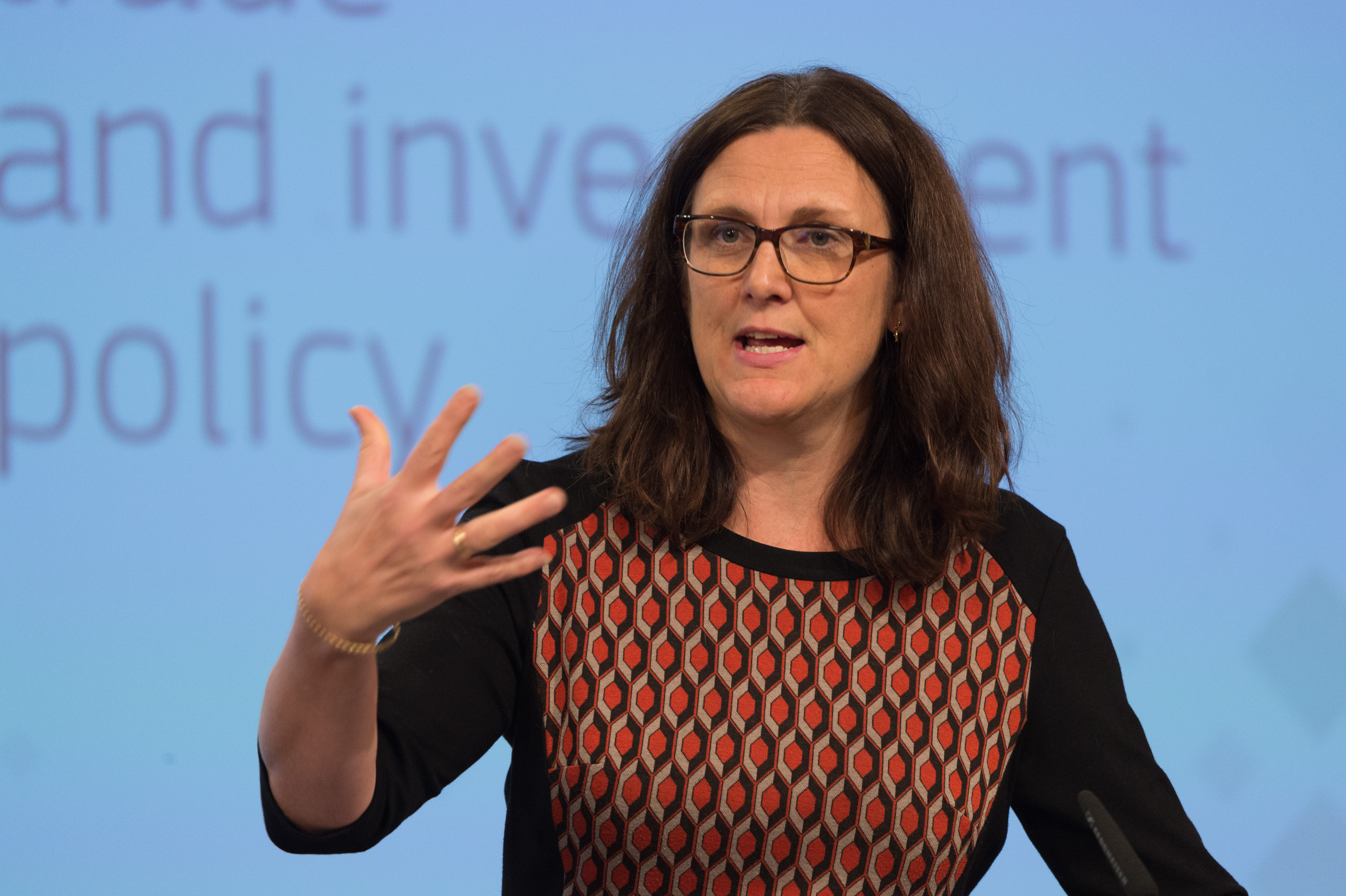
Commissioner Malmström answers to EAEA’s concerns on TTIP

After hearing rumors suggesting that adult education would be part of Transatlantic Trade and Investment Partnership (TTIP), EAEA wrote to Commissioner for Trade, Cecilia Malmström last November, to ask for her support in excluding adult education from TTIP. EAEA believes that adult education is a public good and that it should not be part of any trade agreement.

In her letter, Commissioner Malmström underlines that “the Commission is fully aware of the sensitivity of the education sector and will therefore continue to provide the necessary protection for the sector”. Concerning the investor-state-dispute-settlement (ISDS) in TTIP, the Commissioner highlighted that “neither the European Commission, nor EU Member States or the European Parliament would consider an agreement that would lower our standards or limit our government’s right to regulate.”

EAEA will continue to follow-up the developments of the TTIP negotiations in the upcoming months and advocate for the exclusion of education and public services in general in the TTIP agreement.

Text: EAEAPhotos: EAEA

17.04.2026 twin transition

Ready, Steady, Think! Design Sprint approach for innovative curricula design

How can education better prepare learners for the green and digital transitions in the agrifood sector? EAEA addressed this question by leading a three-part Design Sprint workshop series to develop innovative and learner-centred curriculum ideas for Twin Transition Schools (TTS).

26.03.2026 AI

Literacy learning with AI – a pitfall or an effective support?

The role of artificial intelligence in learning evokes both hopes and concerns. A pilot course showed that AI can boost motivation and offer new insights in learning literacy, but its use requires pedagogical consideration and critical discussion.

23.03.2026 inclusion

From Inclusion to a Rights-based approach in Adult Learning and Education  

In adult learning and education, the language of “inclusion” is widely used. Yet an important question remains: have policies and practices truly moved beyond merely integrating specific groups in limited processes towards a deeper understanding of inclusion as a fundamental right for all learners?