
25.02.2015

Commissioner Malmström answers to EAEA’s concerns on TTIP

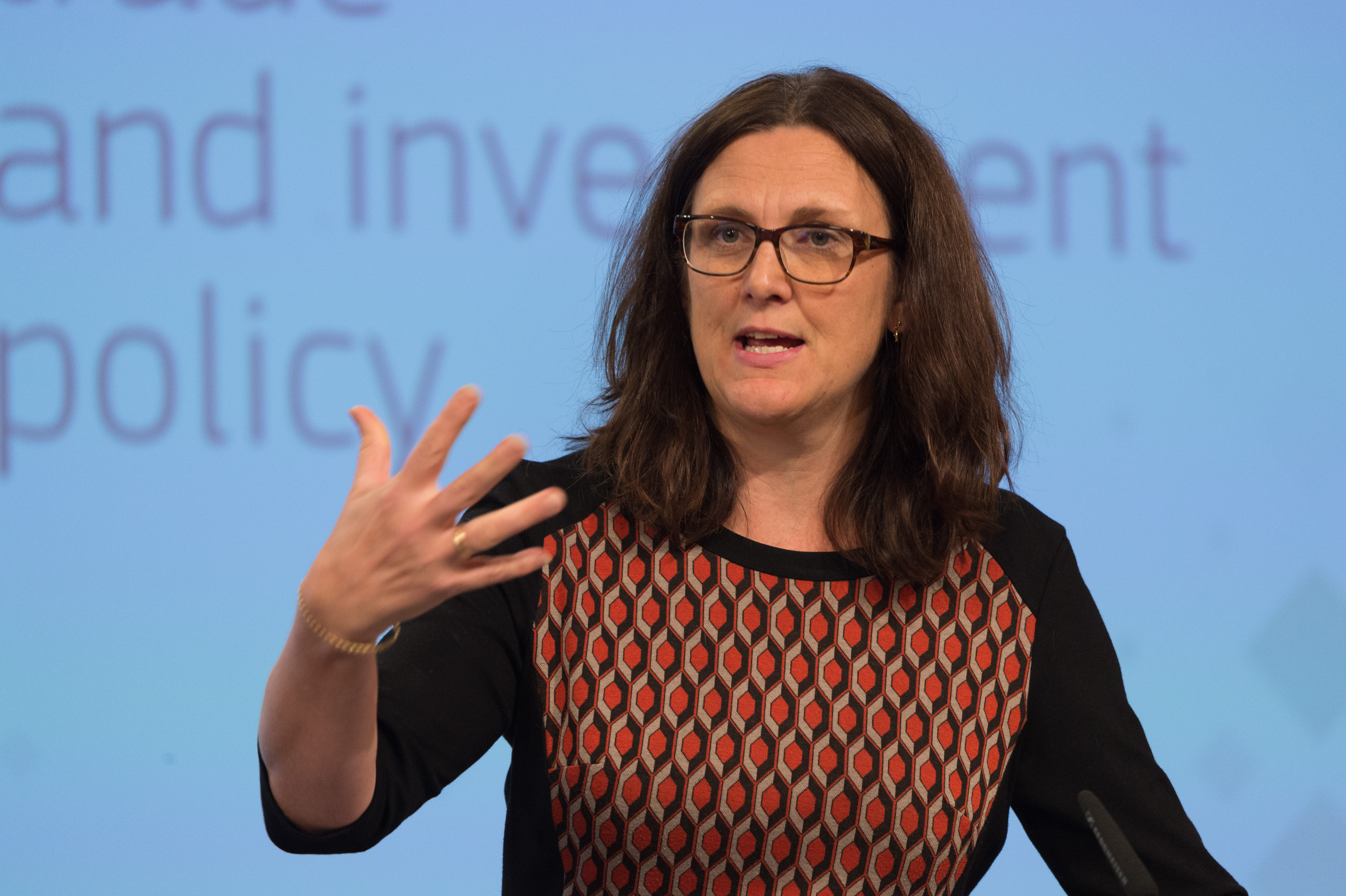
After hearing rumors suggesting that adult education would be part of Transatlantic Trade and Investment Partnership (TTIP), EAEA wrote to Commissioner for Trade, Cecilia Malmström last November, to ask for her support in excluding adult education from TTIP. EAEA believes that adult education is a public good and that it should not be part of any trade agreement.

In her letter, Commissioner Malmström underlines that “the Commission is fully aware of the sensitivity of the education sector and will therefore continue to provide the necessary protection for the sector”. Concerning the investor-state-dispute-settlement (ISDS) in TTIP, the Commissioner highlighted that “neither the European Commission, nor EU Member States or the European Parliament would consider an agreement that would lower our standards or limit our government’s right to regulate.”

EAEA will continue to follow-up the developments of the TTIP negotiations in the upcoming months and advocate for the exclusion of education and public services in general in the TTIP agreement.

Text: EAEAPhotos: EAEA

11.12.2025 adult educators

EAEA's celebratory event: 30 years of Adult Learning in Europe - from legacy to responsibility

On December 10, EAEA and GO! hosted the 30-year anniversary event of adult learning and education in Europe as part of the Lifelong Learning Week. The event brought together several high-level speakers. Their key message was that adult learning is a living, evolving field that must stay high on Europe’s agenda.

10.12.2025 country reports

EAEA Country Reports 2024/25 - adult education trends across Europe

EAEA Country Reports provide a civil society view on the latest developments in adult learning and education (ALE) across Europe.

09.12.2025 advocacy

Micro-credentials and non-formal short programmes as instruments of equity and access for adult learners with migrant background

How can we co-design accessible, inclusive and flexible learning pathways, also as micro-credential for non-formal education, to foster key competences for learners with migration background?