
RALExILA – Project context, objective, and vision
Europe is facing major challenges for the present and future, including addressing the current skills gap and providing the life skills adults need to adapt to today’s rapidly changing realities, but also skills to promote sustainability and just green change, civic engagement, social inclusion, etc. To achieve this, improving access to and increasing participation in adult learning opportunities is crucial.
In recent years, the European Union has brought forward several recommendations and initiatives, addressing this objective in various ways. A key initiative promoted by the EU and its Member States to address this issue is the introduction of Individual Learning Accounts (ILA). However, to ensure the successful implementation of ILAs, there is an increasing need to improve the quality of Adult Learning and Education (ALE) systems, as well as the efficiency of provision and equity of access, including the availability of transparent and comprehensive information and guidance towards relevant learning and training opportunities.
To address this core need, EAEA has launched a new project, RALExILA, that aims to develop a model for an integrated information system for national registries in Adult Learning and Education (ALE). With a focus on interoperability, accessibility, and inclusiveness, RALExILA will help develop crucial parts of the ILA ecosystem to pave the way for the deployment of Individual Learning Accounts and provide a model that integrates core aspects of transparency, quality assurance, and user-friendliness. The long-term vision of the project is to facilitate access to ALE opportunities, enable learners to make informed decisions, increase their trust in ALE and promote societal awareness of inclusive adult learning as a whole.
Project kick-off in Zagreb
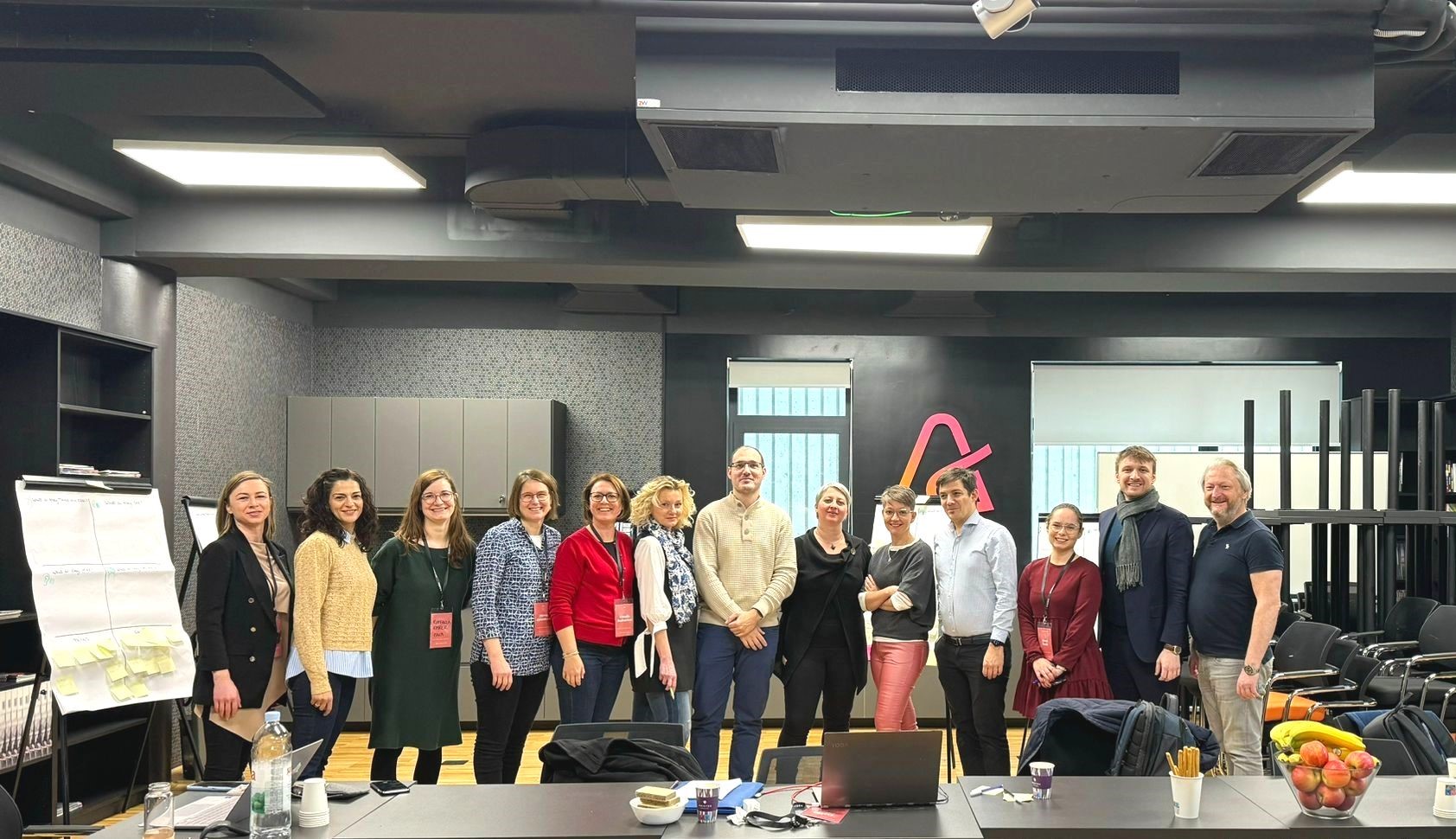
In early February, the project consortium met in Zagreb, to officially kick off the RALExILA project. During the 2-day in-person meeting, the partners discussed the key objectives and organisational aspects of the work packages, laying the groundwork for the collaborative work ahead. The meeting was hosted by Algebra University College (AUC), project partner of RALExILA and leader of WP2, and therefore in charge of the research portion of the project.
On the latest news
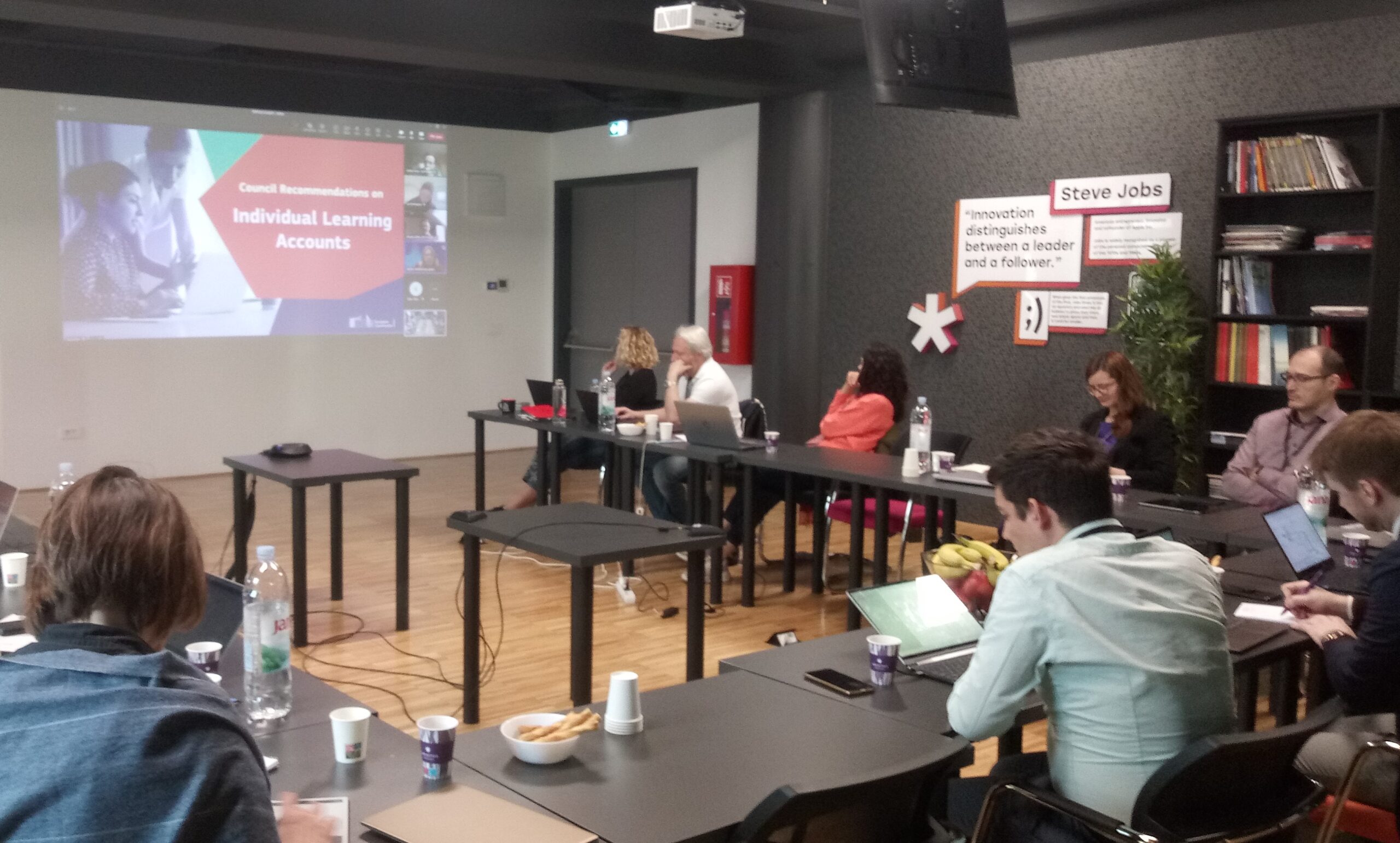
Since then, RALExILA is now in full progress. Partners, including the Knowledge Innovation Centre (KIC), English University College Algebra (AUC), Association of Adult Education Institutions in the Slovak Republic (AIVD SR), and the Center for the Advancement of Research and Development in Educational Technology (CARDET), worked together in refining key methodologies utilised in the work-packages. In carefully and collaboratively developed research, modelling, and dissemination plans, RALExILA focuses on establishing a comprehensive framework for future activities and work. This entails prioritising the involvement of all stakeholders and considering all perspectives in order to develop a well-rounded model.
The next steps of the project process include a peer learning activity on design thinking methodologies, to prepare for the design thinking workshops facilitated by the partners in the coming months. Furthermore, with the finalised research methodology all partners will be able to officially kick off the WP2’s desk research and gap analysis of existing registries, governance structures and quality assurance systems. This process is closely informed by the modelling process of WP3. Recently, KIC partners have also worked on a set of key objectives for the project, which will, among other things, serve as a tool for disseminating the project.
Find out more on our project webpage!
Text: Lisa Steinkampf