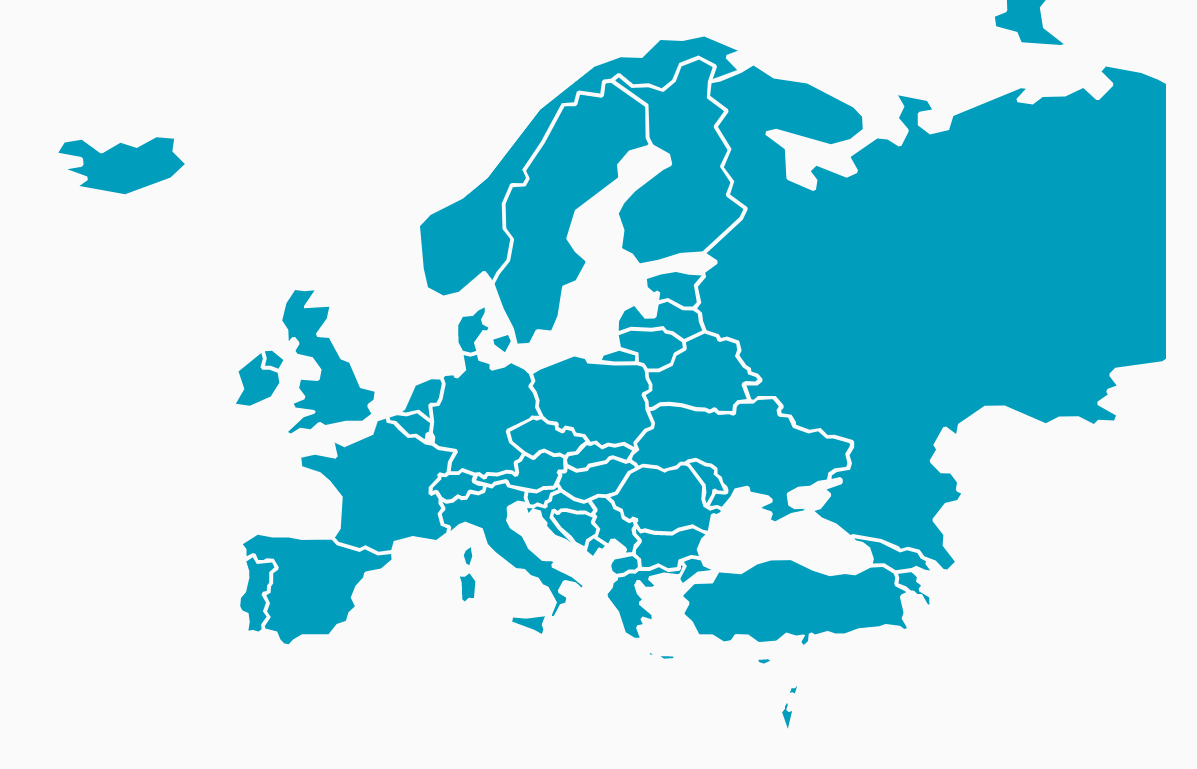
The country reports now presented on the website are based on a survey sent to EAEA’s members in 2019. From 2020 onwards, all the EAEA country reports will be published in a digital format. Much of the data will remain the same: a civil society view on adult education, but presented in a more innovative and accessible way. The digital format makes it easier to compare situations year by year, and country by country, as well as provides an opportunity to search policy related topics with various key words.
In the website development we paid particular attention to accessibility and usability. In addition to reading the texts on the website, there is a possibility to listen to the texts and create pdf-versions of the reports by country.
We will continue the development of the website. In addition to the information on adult education policy developments provided by our members, our plan is to add some key statistics on adult education and good practices we have collected in various projects. We value your feedback and suggestions!
Take a look at the EAEA country report website
Website was produced in co-operation with the Finnish Lifelong Learning Foundation and financed by the Finnish Ministry of Education and Culture.