

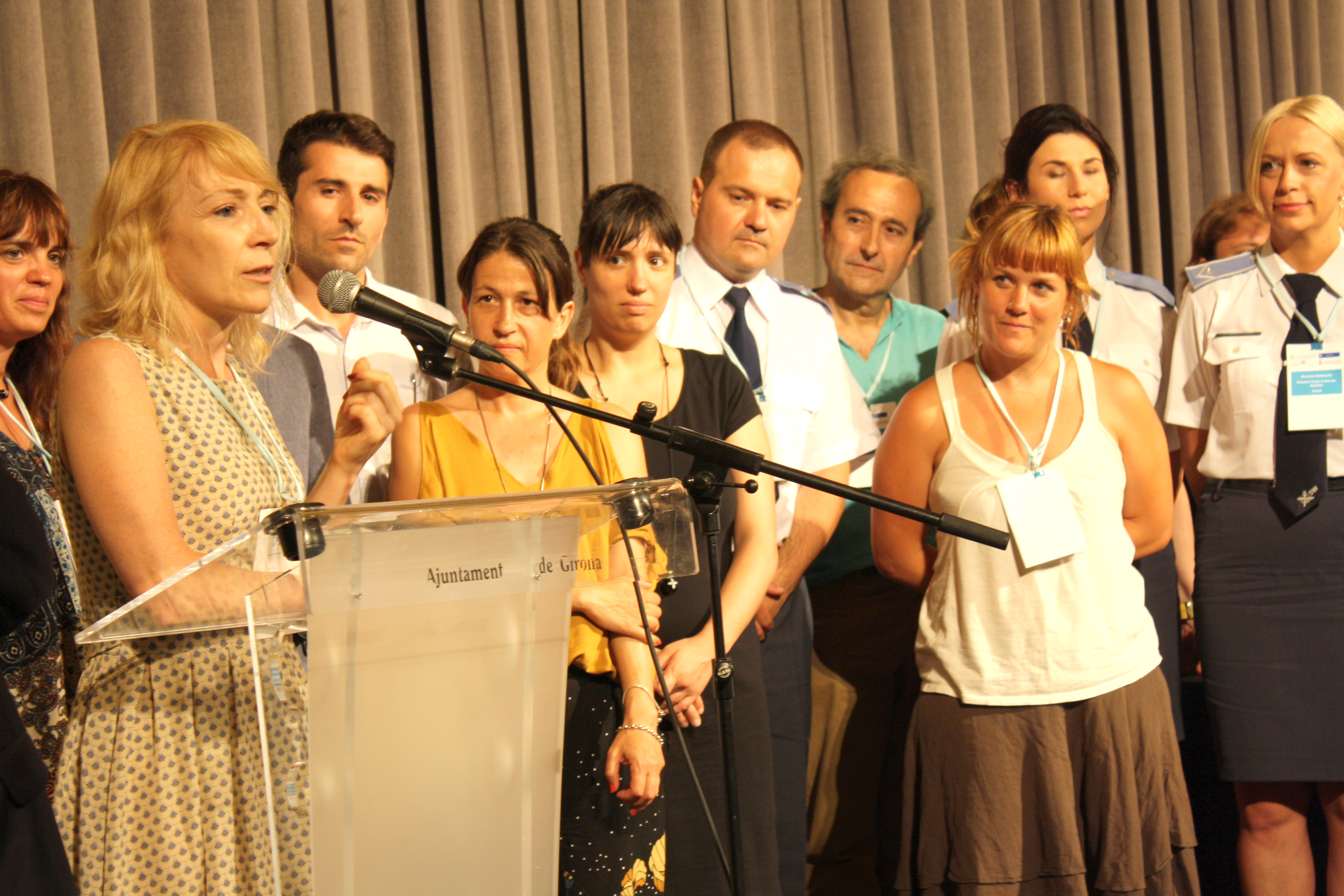
“Our project was a chance for many of the inmates to have their voice heard for the first time,” says Dolors Torner Vives from the coordinating organisation CFA Jacint Verdaguer.
Second Chance was a European Grundtvig Programme, with the partnership led by CFA Jacint Verdaguer in Spain and spanning to six countries. Implemented by different professionals with long-standing experience in prison education (teachers, educators, psychologists and social workers), it looked at how collaborative learning can support inmates in their education.
“We wanted to improve the inmates’ learning abilities and the skills for finding work eventually after their release,” Maria Montserrat Puente from the organisation says.
Learner’s view ahead
One of the aims was to improve the learning of the inmates. A methodology used was to give the target group them the chance to communicate their learning paths and tell their life story from the beginning until today.
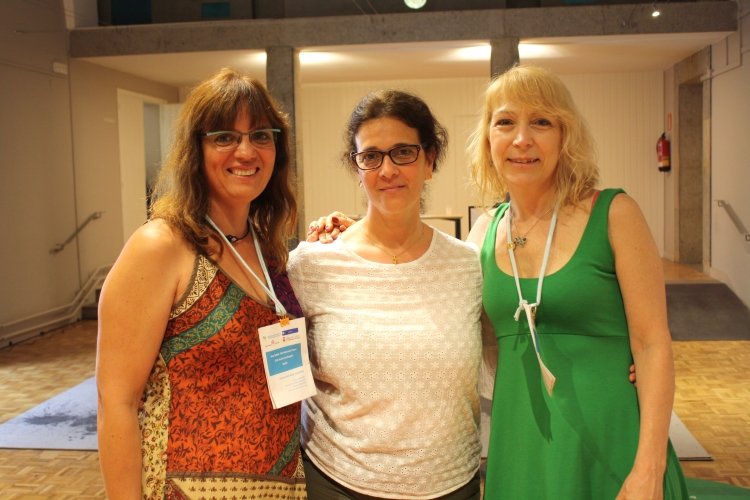
“Often in projects the activities are based on quantitative data of the target group. We wanted to listen to the learners themselves and get qualitative data on their learning experiences to better involve them in the aims of the project,” Dolors Torner Vives explains.
During the first year of the project implementation, the consortium conducted qualitative investigation to analyse the learning experiences and needs of inmates. This was done through interviews, life stories and discussion groups. Having compared the results across six partner countries, the project consortium noted several similarities that helped them improve their methodologies.
During the second year, the partners fostered collaborative learning to share educational tools and implement new methodologies.
Reaching a challenging target group
The project managed to engage inmates with very different profiles. The project targeted a very specific and particularly vulnerable group: inmates with very different criminal profiles, often coming from dysfunctional families, suffering from addictions and lacking conflict resolution skills.
The Grundtvig Award jury appreciated the involvement of a group that is traditionally hard to reach as learners. The inmates also took an active role in the learning process and reflected on their ideas about education.
The project helped inmates reflect on and express their ideas about education and allowed them to shift their roles and the way they think of themselves – from prisoners to learners.
Having increased their autonomy and self-esteem, they are now more motivated to study.
“By using the qualitative methodology in reaching out to the inmates and collecting their experiences we made the inmates the protagonists of their learning paths.”
The project also supported professional development of prison educators, deepened their relationships with inmates and opened up opportunities for new collaborations. The results of the project – website, e-book, e-guide and video – are widely available and can be used by other penitentiary centres.
The project: Second Chance
- Award category: European projects (Spain)
- Learner target group: Inmates
- Innovative practice: Qualitative methodology (interviews, discussions with the target group)
Coordinator:
- Organisation: CFA Jacint Verdaguer
- Contact: Dolors Torner Vives
Project partners:
- CTP Pertini, Ariadna, Scoala Gimnazalia Gheorghe Titeica
Resources:
The article series shares good practices on engaging new learners by introducing the nominees of the EAEA Grundtvig Award 2017.
Text: Helka RepoPhotos: Helka Repo