
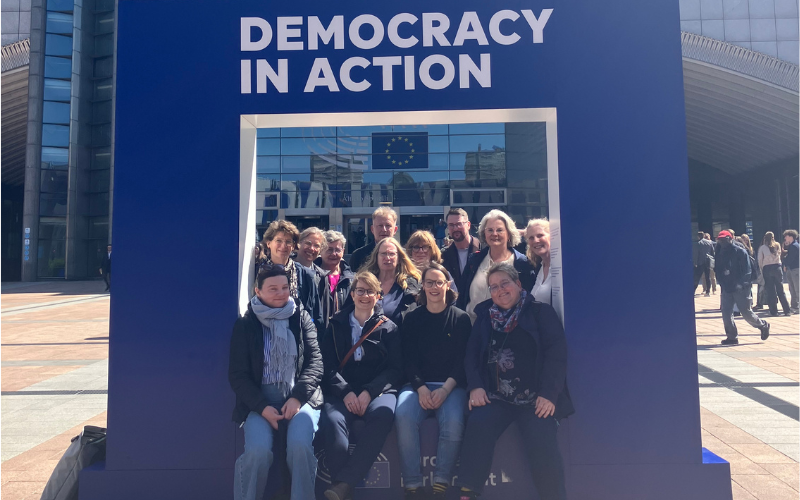
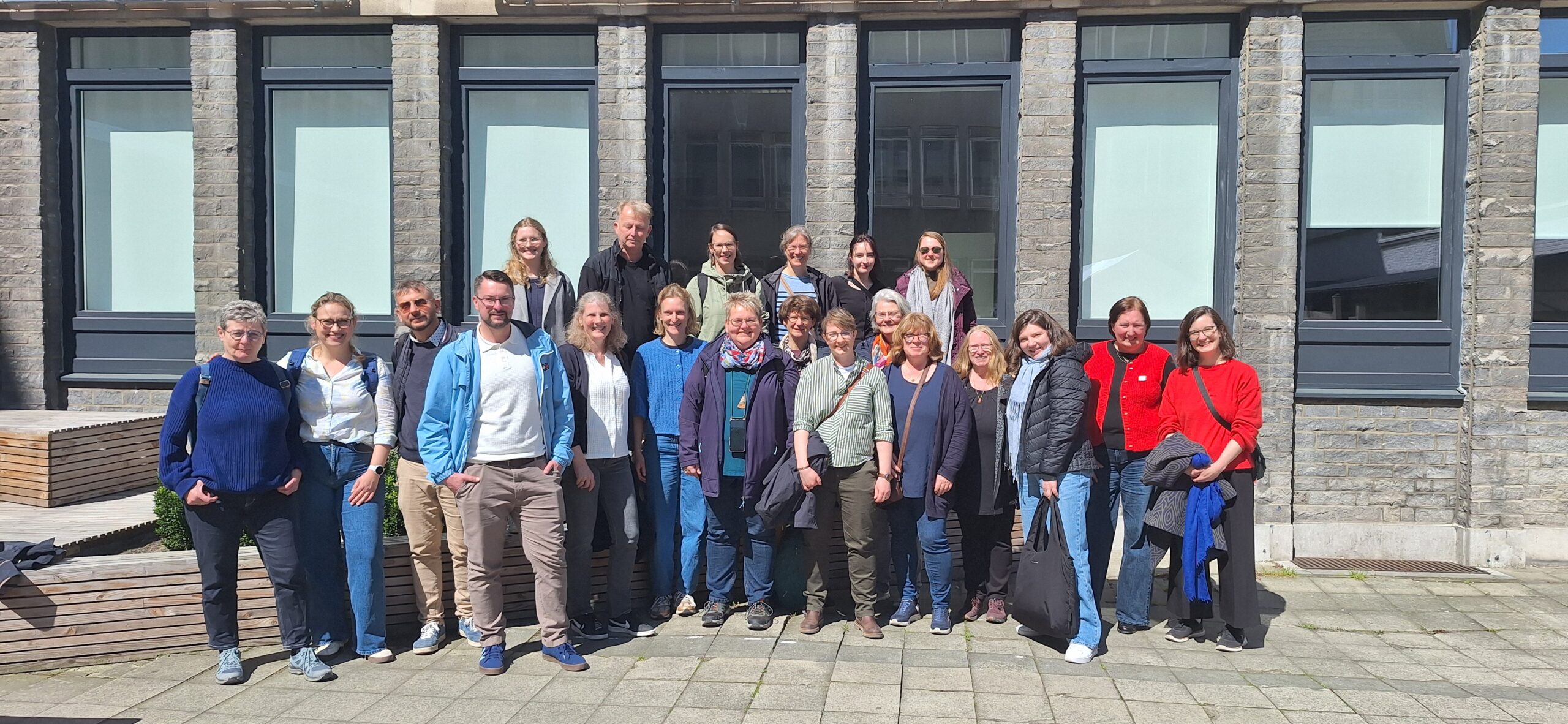
These questions framed a recent study visit to Brussels by 15 directors and managers from Landesverband der Volkshochschulen Schleswig-Holsteins e. V., who explored how digitalisation in adult learning and education (ALE) connects to EU priorities such as the Union of Skills, digital citizenship education, and inclusive lifelong learning systems.
Early exchanges highlighted a key tension in current policy debates: while digital transformation is high on the EU agenda, access to funding and support for basic digital skills remains uneven. At EAEA, discussions with Secretary General Raffaela Kihrer and Senior Project Manager Angeliki Giannakopoulou connected these challenges to ongoing EU policy work, particularly around digital citizenship education and the broader role of ALE in strengthening democratic resilience.
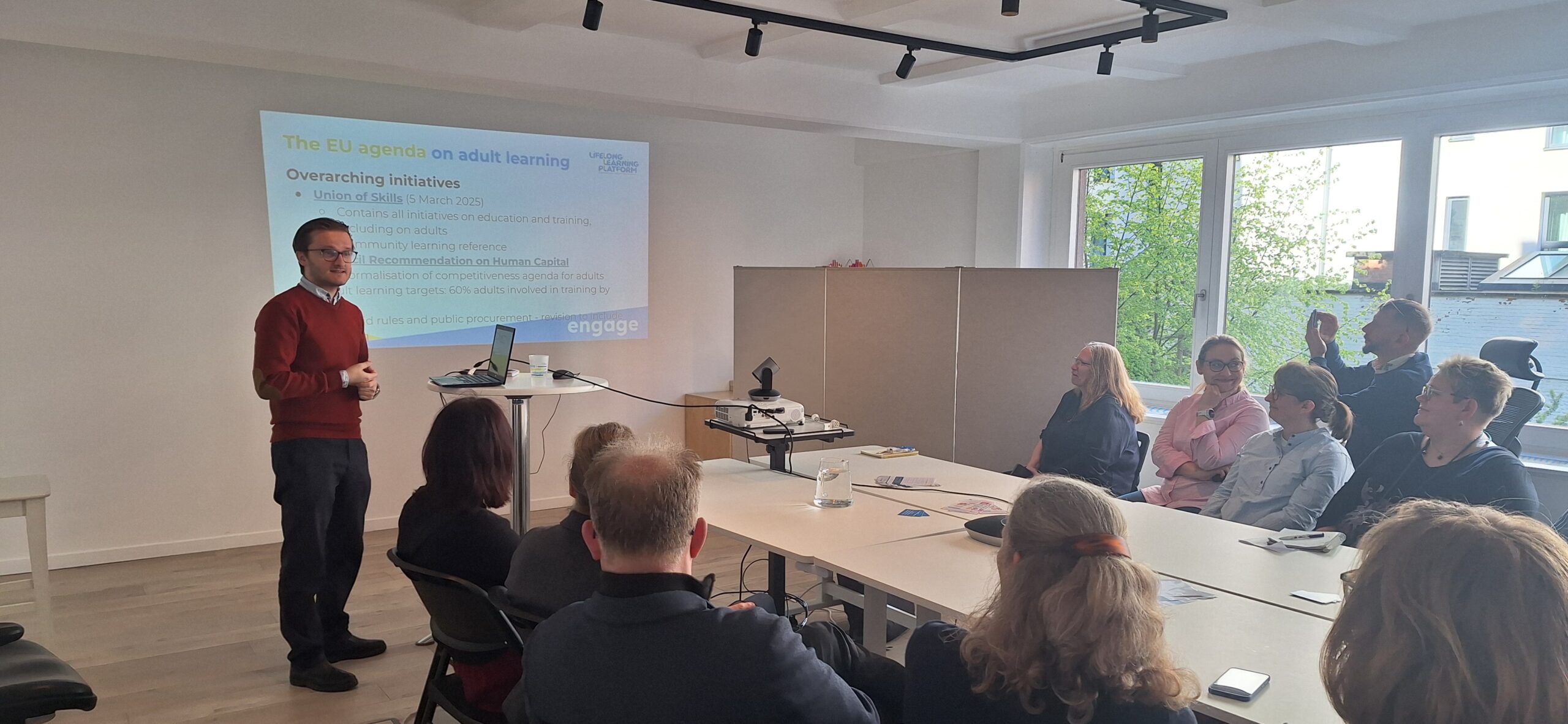
Engagement with European stakeholders further grounded these reflections in current policy developments. At the Lifelong Learning Platform, Andrei Frank (Policy and Advocacy Manager) highlighted the Union of Skills initiative and underlined the growing recognition of community learning – a concept strongly promoted through joint advocacy efforts by LLLP and EAEA. This approach, rooted in local contexts, is increasingly seen as essential to reaching disadvantaged learners and avoiding new digital divides.
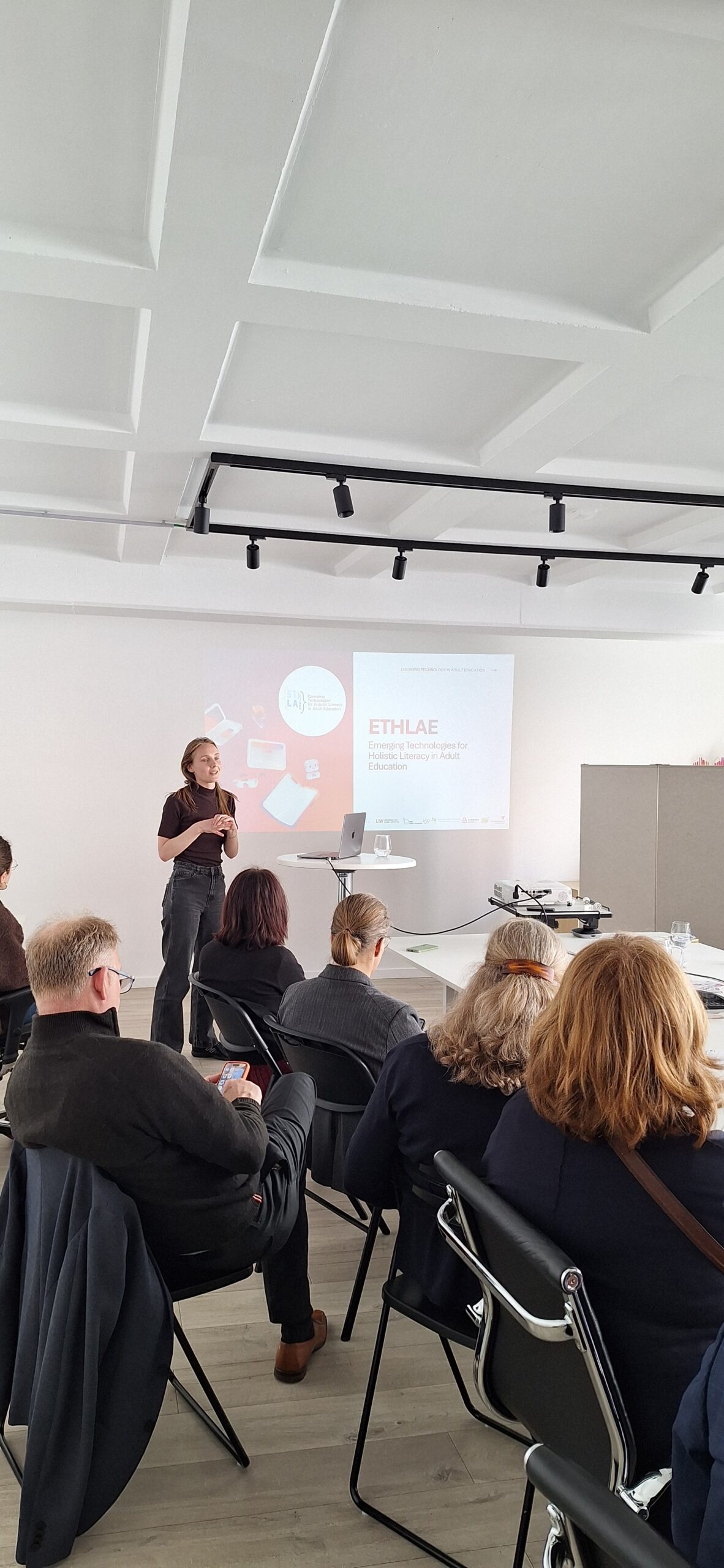
At ALL Digital, Gabriella Mucientes (Project Manager) and Thérésa Elhage (Communication and Advocacy Manager) presented the ETHLAE (Emerging Technologies for Holistic Literacy in Adult Education) project, showcasing learner-centred capacity-building labs and piloting approaches. These examples illustrated how innovation can be grounded in real learner needs and potentially scaled across national systems.
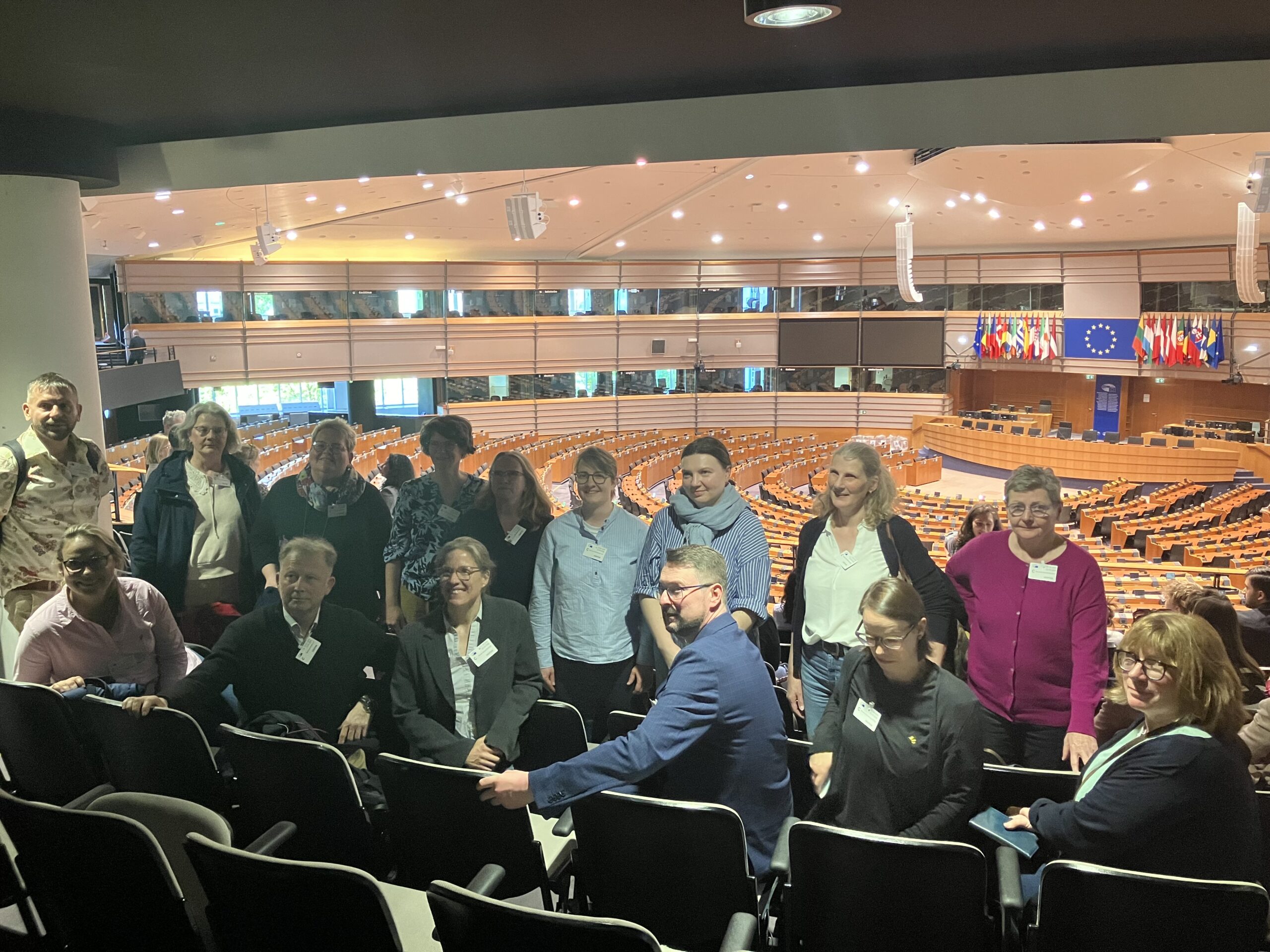
Discussions at the European Parliament, including an exchange with MEP Delara Burkhardt (S&D), further highlighted the importance of aligning funding frameworks with policy ambitions. Participants reflected on the risks of underinvestment in ALE, particularly in the context of the digital and green transitions, and explored how national actors can contribute to shaping these debates.
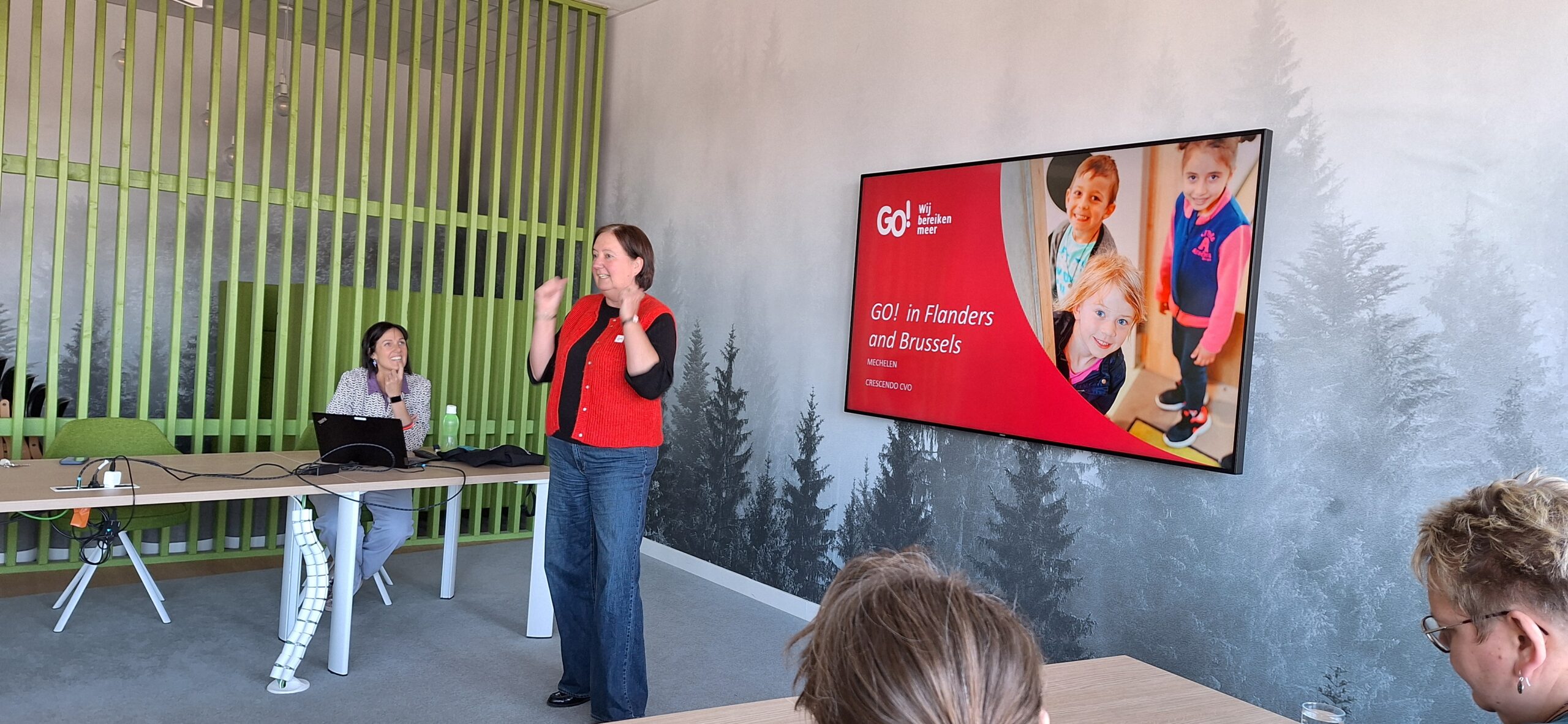
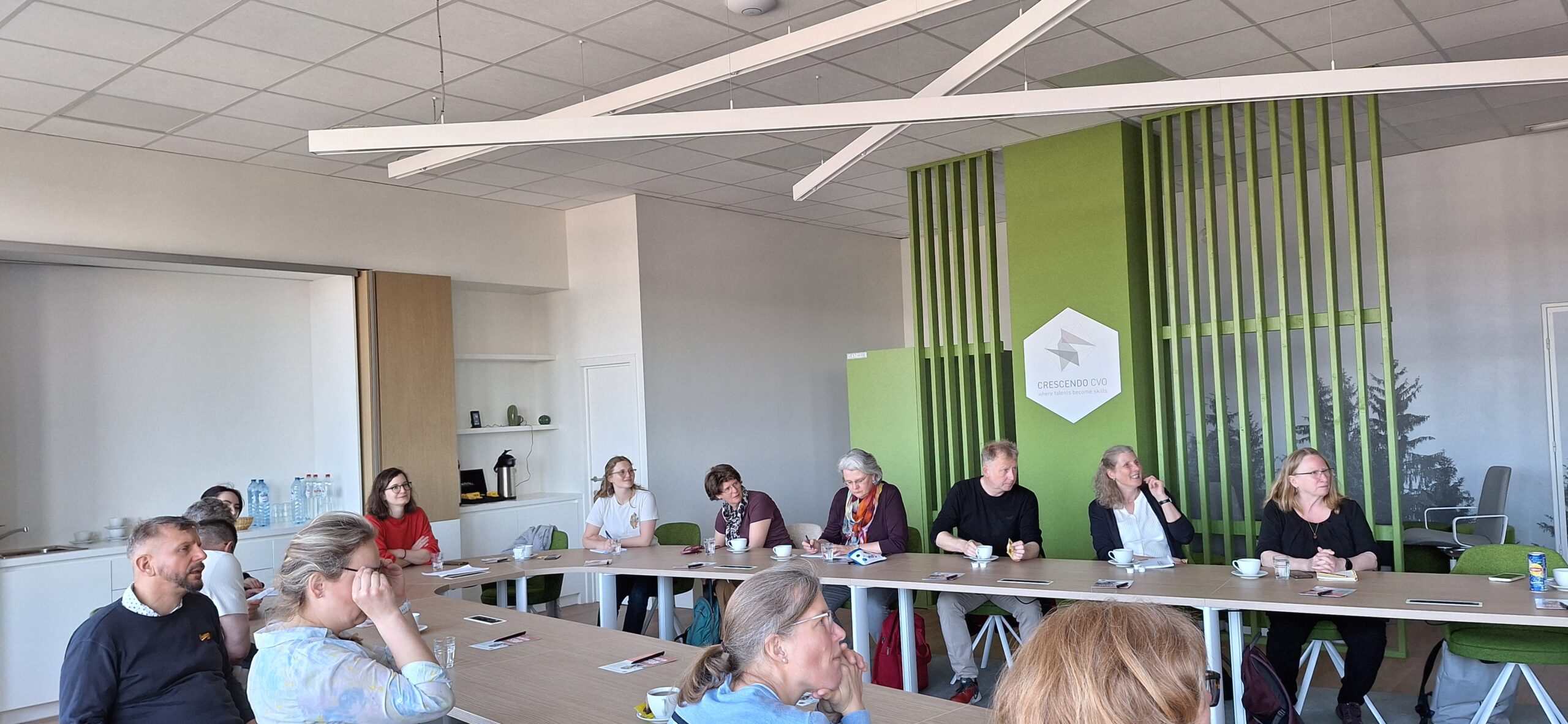
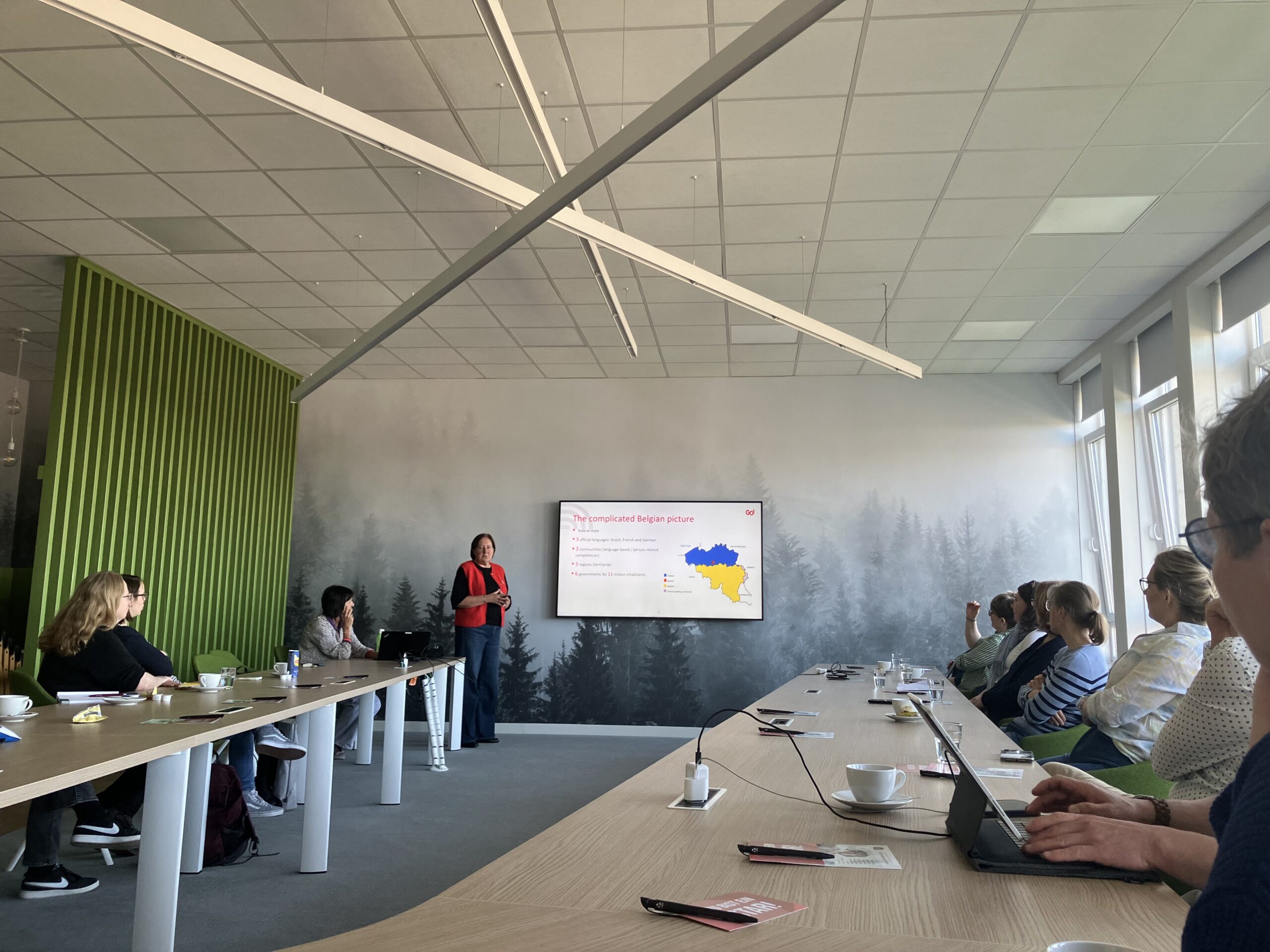
Local practice offered a complementary perspective. A visit to CVO Crescendo, part of the GO! education network (a member of EAEA), demonstrated how adult education centres can act as community anchors. Director Marleen Mast and Ariane Jacobs presented their approach to being “close to the community”, linking learning to social inclusion, health, and civic engagement. The exchange with Deputy Mayor Sabe De Graef, during a day dedicated to outdoor learning and a local health market, illustrated how European priorities translate into tangible local impact.
Across the visit, participants identified clear avenues for action. Strengthening advocacy at national level, increasing investment in ALE, and using learner stories to influence policy narratives were seen as essential next steps. As one participant noted, there is strong potential to build on European momentum to “influence policy and increase the budget for ALE” at home.
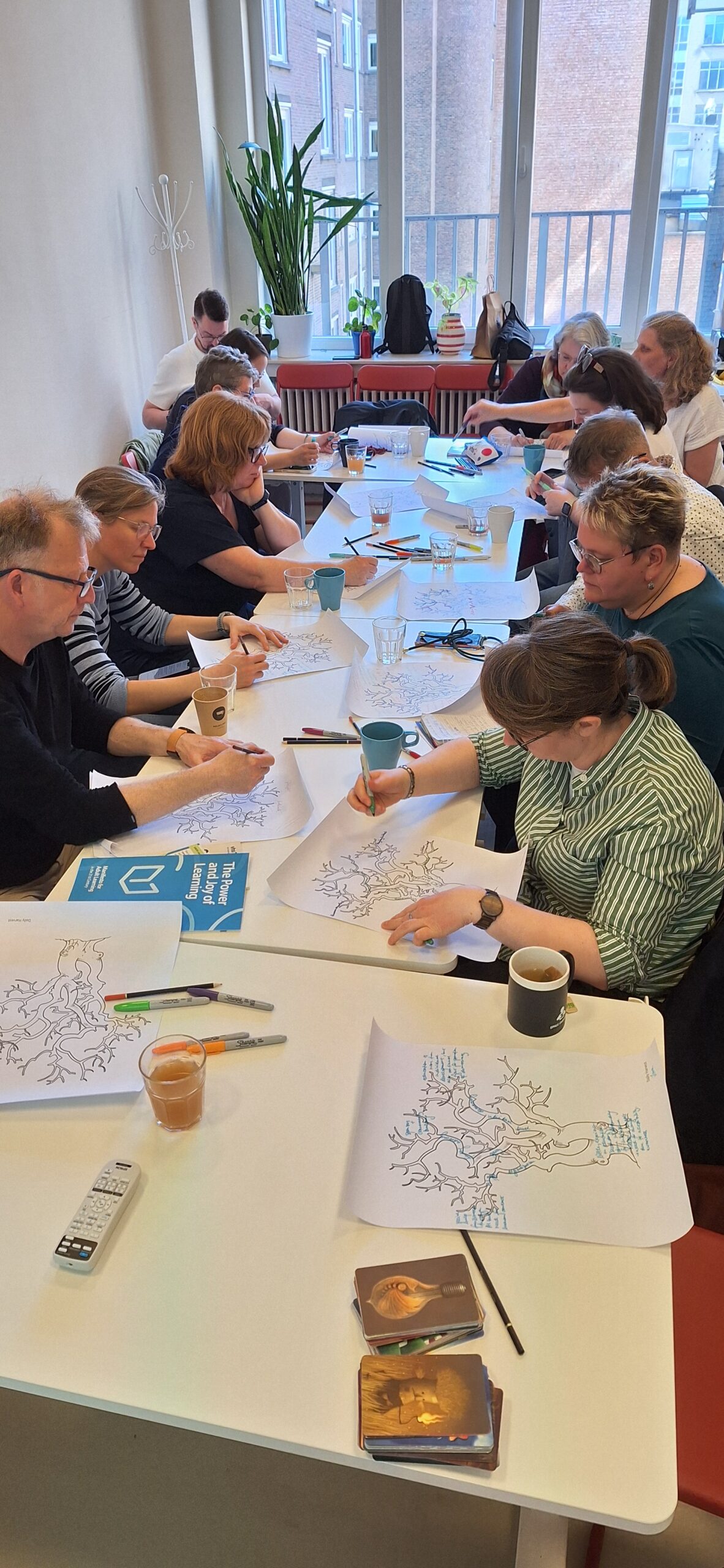
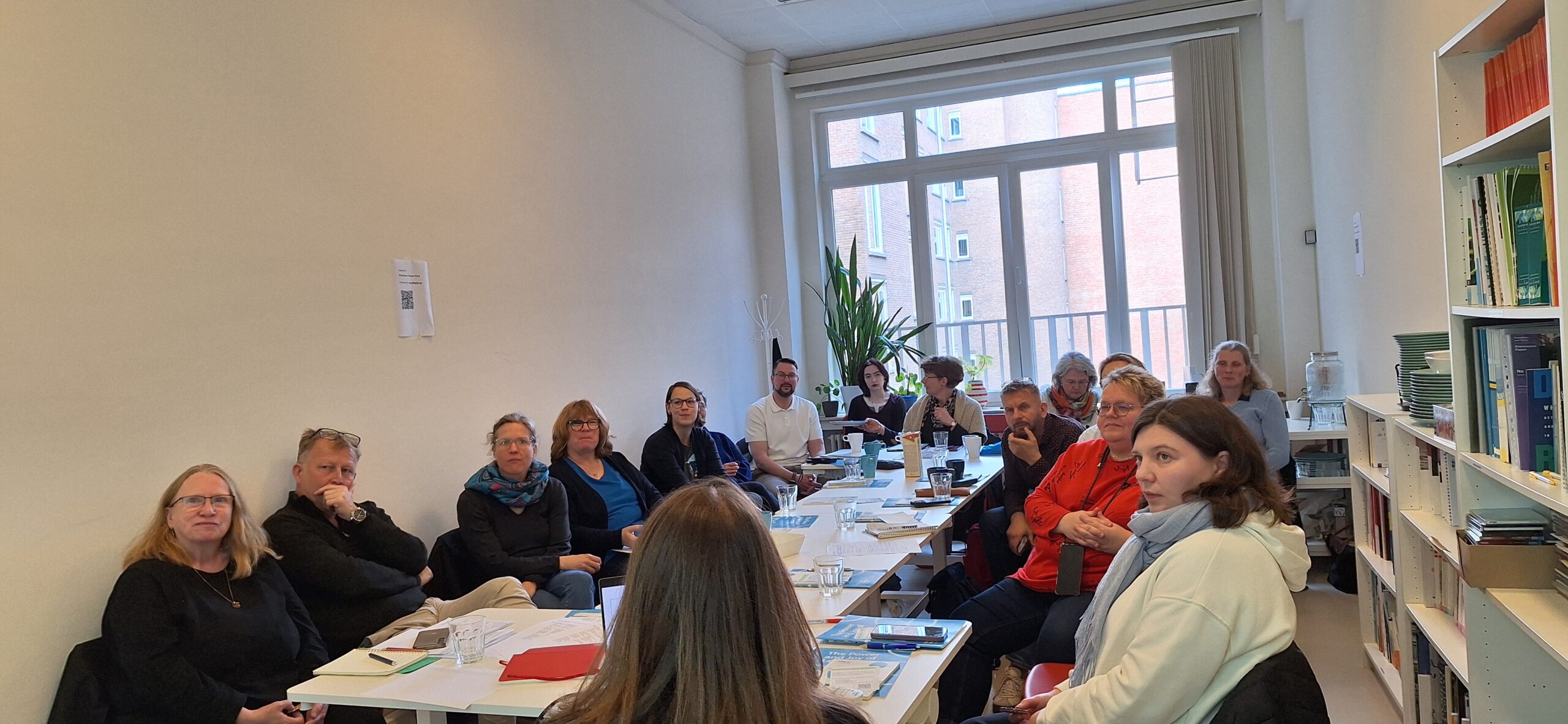
Gallery of photos from the study visit, 21-24 April 2026
Text: Charlotte EdePhotos: Marina Sakač Hadžić