

As work increasingly detaches from a fixed physical location, how are fundamental concepts of labor being redefined? What are the implications for human relationships when the boundaries between professional and private life become blurred in the online sphere? Furthermore, what specific challenges arise as various European and global communities navigate these changes within their distinct social and cultural frameworks?
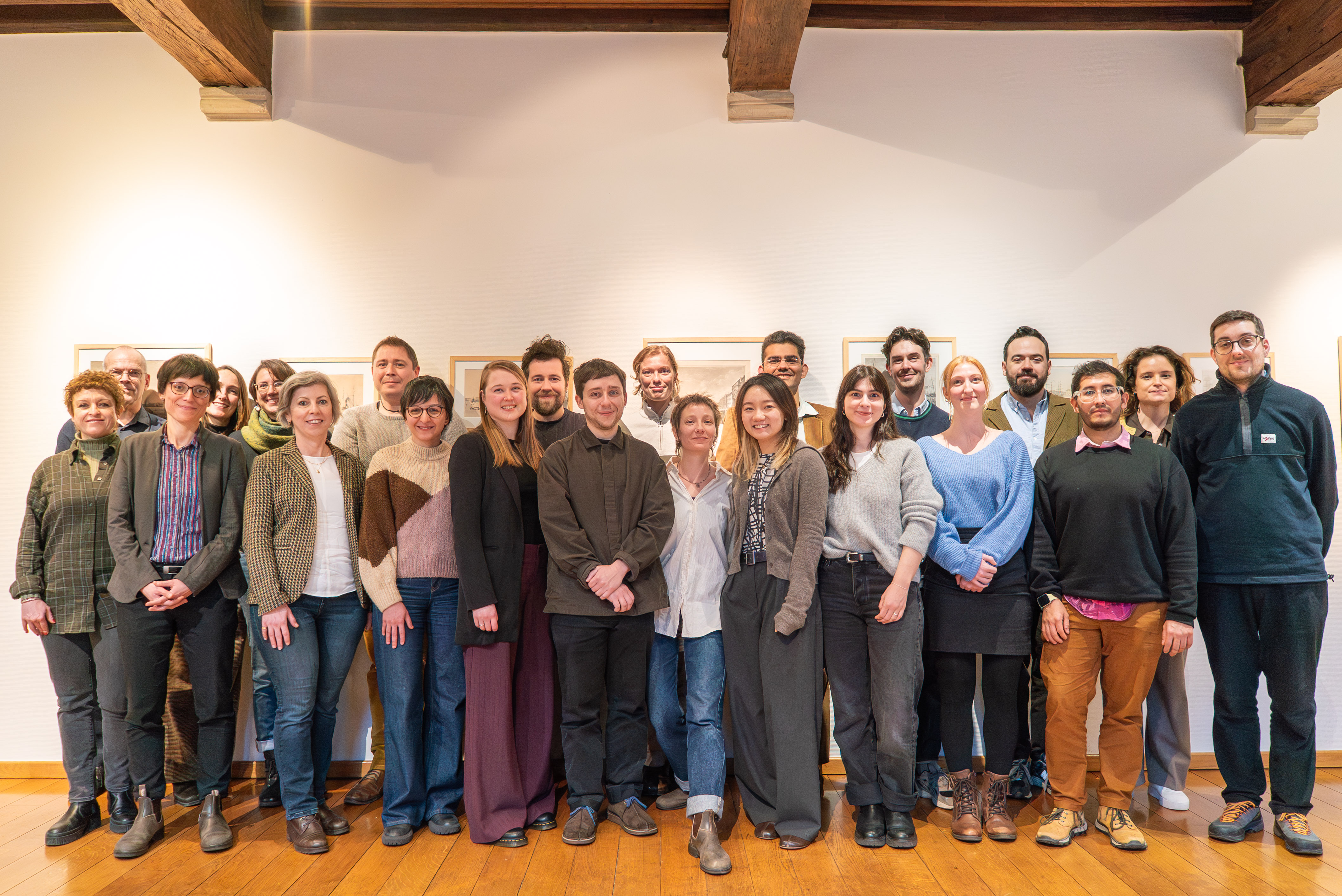
These questions were at the heart of the Remote Work & Social Change conference at the University of Antwerp. The ReWorkChange (Funded by the European Union) is a comparative ethnographic research project on the social consequences of remote work. This conference offered insights that resonate closely with the realities and lived experiences that many adult learners face today.
Learning is fundamentally influenced by its environment, encompassing opportunities, financial capacity, accessibility, material assets, time, and physical location. This environment is now being significantly reshaped by the rapidly evolving digital world, which is redefining our understanding of co-working spaces and the nature of social relationships with colleagues.
In his keynote lecture, John Postill, an Anglo-Spanish anthropologist, reflected on two decades of research and theory on social change and digital practices. He emphasized that continuity, a conceptual term in research, should not be understood only as permanence. Not all processes are ongoing; all life courses will eventually come to an end, which is why we need to also look at discontinuities as well. But, bringing these abstract notions down to real-life experiences, what can be useful for our understanding is that some processes, struggles, even social crises do eventually end, and we should be able to look more optimistically at a world that will be better.
The conference consisted of three sessions and a workshop. Presented here are selected topics from each session that were particularly relevant to adult learning and remote work.
The first one was on (Im)Mobility, which looked into three distinct examples of remote work and how it changes the conceptualisation of space, destination, and commute time.
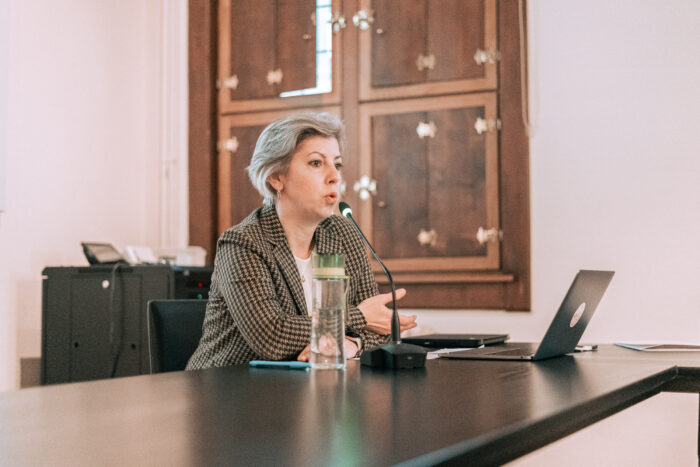 Özge Özkefeli Yilmaz, PhD student at Yeditepe University, Istanbul, and IT consultant, examined commute time as a reclaimed resource. With commuting removed, people repurposed these hours for personal routines, domestic tasks, and rest, helping blur but also reshape the boundaries between work, home, and personal life. Rather than boosting productivity, this reclaimed time allowed workers to listen to their bodies, regulate sleep, and create healthier, more flexible daily rhythms. For adult learners balancing multiple responsibilities, these insights highlight how small shifts in time use can support well-being and lifelong learning.
The second session looked at Places of Work, topics covered were: digital rebusque, remote work together, and game service workers (in the example of League of Legends).
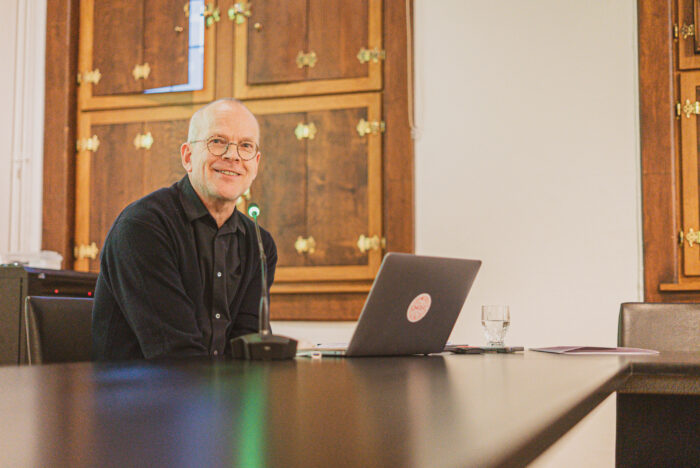 Magnus Andersson, associate professor at Malmö University, presented his work on how digital technologies and the pandemic untethered work from traditional offices, bringing flexibility to remote workers, but also blurring boundaries between work and personal life. He looked into Swedish co-working spaces, as a type of “third place”, a semi-public space where people work with other workers who are not their colleagues, but have the potential to become friends.
The third session was on Gender and Family, topics included negotiation of patriarchy and digital coordination in the hybrid household.
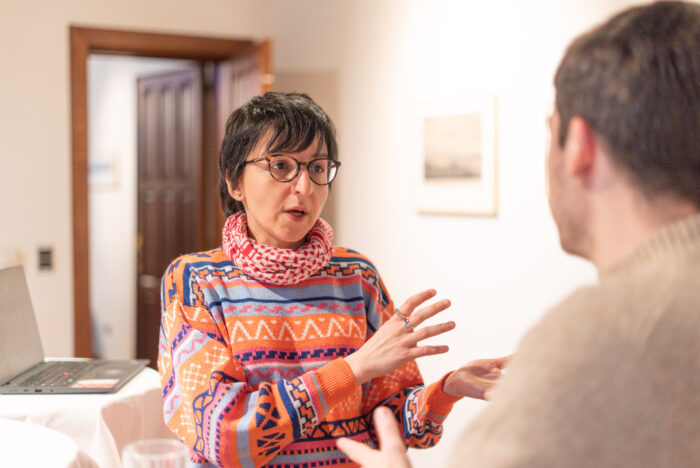 Elaheh Eslami, PhD student at the Central European University, looked into Iranian women’s online home-based businesses as a response to the exclusion of women from public spaces following the Islamic Revolution. Online spaces allow for the negotiation of gender segregation in the job market, making it possible for women to support their families economically.
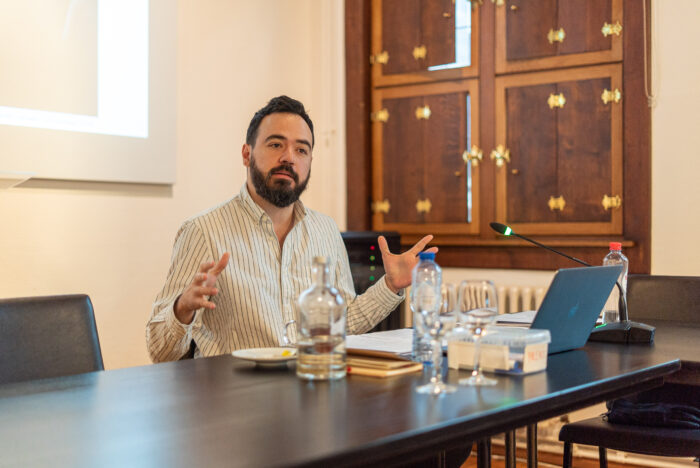
The conference closed with a presentation by Yiğit Soncul, a senior lecturer at London College of Communication, who presented his research and introduced an upcoming co-authored book, Digital Exhaustion: Burnout, Fatigue and Overload in the Age of Constant Connectivity, which further explores the challenges of living, working, and learning in permanently connected digital environments.
This conference, albeit being an academic one, has brought many insights into how remote work and digital practices are reshaping time and indirectly affecting learning opportunities. Of course, we are also reminded that flexibility is unevenly distributed and deeply shaped by social, cultural, and political conditions. Echoing John Postill’s reflections on continuity and discontinuity, these digital transformations invite a more optimistic outlook: crises and constraints are not permanent, and new learning pathways can emerge from moments of disruption. In this sense, remote work and digital learning environments open space for what the EAEA Manifesto calls the Joy of Learning. Learning that is meaningful, self-directed, socially situated, and capable of supporting both individual fulfillment and collective change.
Text: Marina Sakač HadžićPhotos: Aleksandra (Ola) Gracjasz