
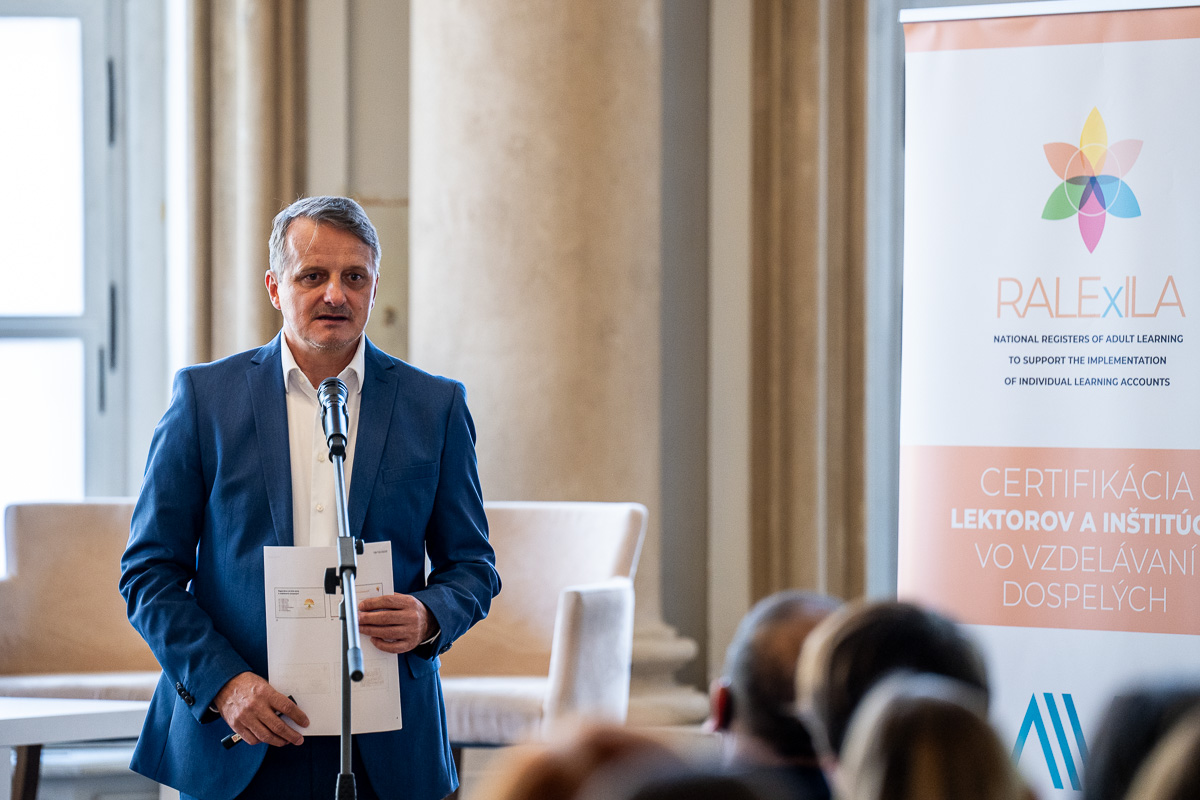
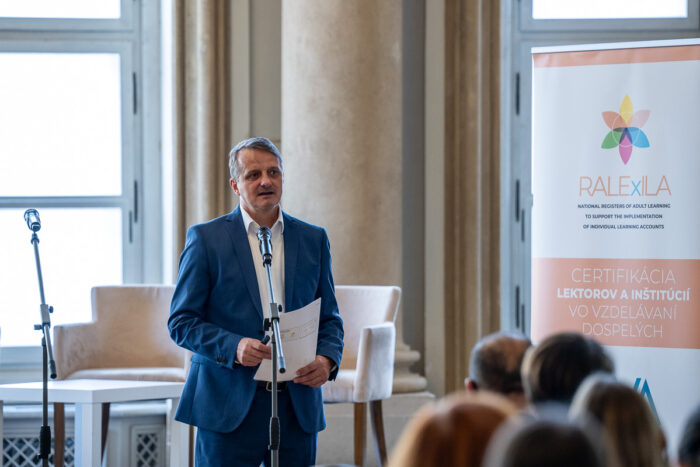
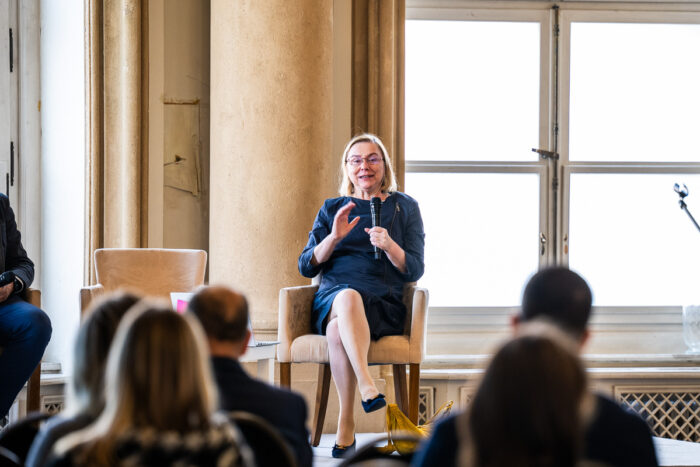
Klaudius Šilhár, President of AIVD and former board member of EAEA, welcomed the participants and introduced the context of the RALExILA project. Gina Ebner outlined the work on quality carried out by the European Commission and the EAEA over the years, including the EC’s working group. Several key issues were raised during the discussion, such as staff development, accreditation, and relevance in adult education. Armando Loureiro from the Portuguese Association for Adult Education and Training shared recent developments in Portugal and presented recommendations for the future of quality in adult learning. Some of the key recommendations include:
- Reinforcing European cooperation and trust
- Promoting innovation and the exchange of good practices
- Building resilient and inclusive learning systems
- Ensuring that every adult has the opportunity to learn, grow, and contribute
- Balancing quality standards with flexibility and inclusion in adult education
José Xavier Dias from APEFA Madeira explained how quality is managed in Madeira’s adult education sector. Bibiana Lazarová from the Ministry of Education discussed the National Registries of Adult Learning and Education for ILA, as outlined in the Slovak ALE Act 292/2024. The Slovak Ministry recently introduced a registry for adult learning institutes and staff, setting a minimum standard for quality.
- AIVD is responsible for the accreditation process and manages several initiatives, including EduQua, a comprehensive quality assessment system that provides a clear framework for developing and improving adult education. By obtaining the EduQua certificate, institutions demonstrate their
commitment to providing high-quality adult education. - The Adult Education Act (292/2024 Coll.) requires that all lecturers working in accredited programs hold a certification in professional qualifications as lecturers. AIVD oversees the certification of teachers, trainers, and lecturers.
Vladimír Pálfi from Aliancia sektorových rád (Sectoral Alliance Council) presented the National Registries of Adult Learning and Education for ILA. This registry complements the Ministry’s registry: once an organisation is accepted into the Ministry’s registry, they can apply for accreditation of one or more of their programs.
The event sparked significant interest from both Slovak and international participants, resulting in a lively discussion on international practices, workplace learning, quality, and microcredentials in adult education.
For more information, please contact gina.ebner[at]eaea.org.
Text: EAEA