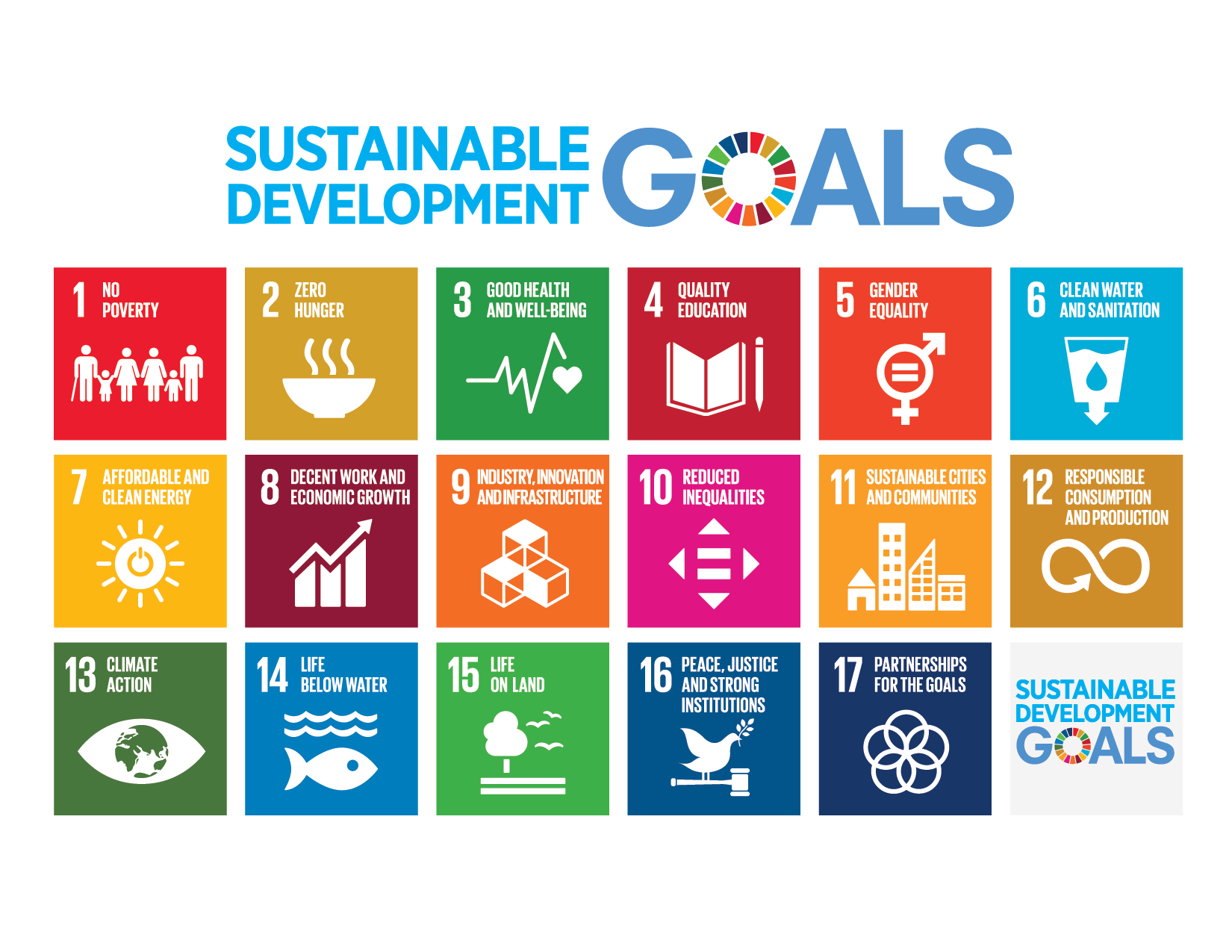
How does adult education relate to the Sustainable Development Goals? In many ways, new EAEA background paper discovers.
28.09.2018

New EAEA background paper on adult education and sustainability

Adult education contributes to and promotes many of the Sustainable Development Goals. New EAEA background paper takes a closer look at the interlinkages between adult education and sustainability.

Adult education, especially non-formal adult education, contributes to the individual as well as collective development of societies in many ways. Besides providing skills and competences, adult education contributes to social inclusion and the acquisition of life skills. The EAEA background paper “Adult Education and Sustainability” focuses on the Sustainable Development Goals (SDGs) and shares the linkages between then and adult education.

The paper examines how adult education contributes to the SDGs as well as reflects on the challenges faced by non-formal adult education and the measures needed to go from theory to concrete actions.

Read the backround paper Adult Education and Sustainability and see also our previous statements.

Text: EAEAPhotos: United Nations

20.10.2026 inclusion

How to ensure quality in adult education bypassing the bureaucratic approach?

The Q-ALE Model final version is now available for all adult education organisations to use and adapt. Developed by an international partnership, the approach aims at fostering a true culture of quality across the sector.

14.10.2026 advocacy

Cuts cost more: EAEA deeply concerned by proposed reductions to the next EU budget

Ahead of the European Council meeting on 15–16 October, EAEA urges European leaders to recognise adult education, lifelong learning, and civil society as essential investments in Europe's future, not as expendable budget lines.

13.10.2026 inclusion

A new European initiative for valuing neurodiversity in work and education

The European Association for the Education of Adults in partnership with FORMA.Azione and other organisations from Italy, Austria, Germany and Bulgaria has launched the European initiative CAN – Valuing Neurodiversity

12.10.2026 access

Closing the digital gap in closed environments

Access to digital education can open new possibilities for people in detention, from developing essential digital skills to supporting personal growth, employability and social reintegration. This article explores how technology and education can help learners in closed environments build confidence, develop new skills and prepare for life beyond detention.