
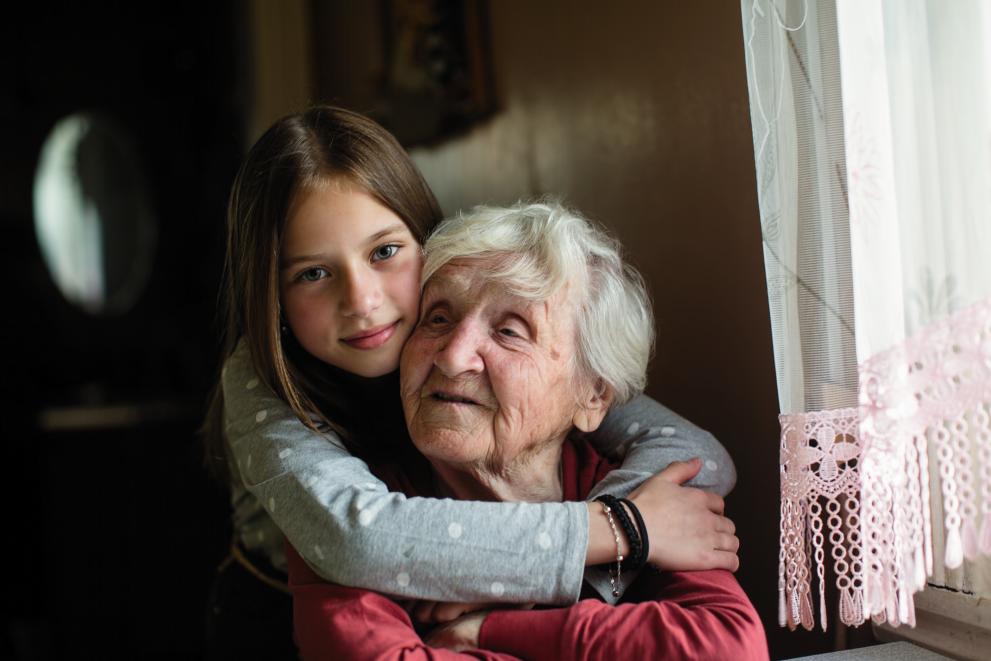
EAEA participated in the European Commission’s open public consultation on the upcoming strategy on Intergenerational Fairness. EAEA welcomes the development of such a strategy, recognising the importance of the dialogue between generations and reinforcing the crucial impact of intergenerational learning on individuals, both young and older, as well as in creating stronger communities.
The European population is ageing. And these demographic changes are transforming our societies, highlighting pressures and challenges. We believe adult learning plays a key role in promoting active ageing and fostering more positive narratives about ageing, since adult learning gives people spaces for dialogue, cohesion and mutual learning. Adult learning supports creating resilient and adaptable communities, encouraging older people to learn and share their knowledge with peers and younger generations, and can also support in increasing mental health and combating loneliness. Non-formal adult education, in particular, plays an important role in ensuring access and outreach to older adults, as well as to other adults furthest from learning.
Read the full statement “The role of adult education in promoting active ageing and building inclusive societies.pdf”
EAEA recommendations:
- Mainstream ageing and intergenerational fairness across EU policies, ensuring that ageing is addressed as a cross-cutting societal challenge.
- Combat ageism and age discrimination through education and awareness-raising, supporting learning initiatives that foster intergenerational dialogue and promote positive narratives on ageing.
- Ensure that the implementation of tools such as the Union of Skills does not solely focus on adults of working age, but fully reflects a lifelong learning approach by guaranteeing access to learning opportunities for adults of all ages.
- Recognise adult learning as essential infrastructure for intergenerational fairness, and ensure that lifelong learning policies prioritise high-quality provision that supports participation, wellbeing, and active citizenship beyond employability outcomes.
- Invest in capacity-building for caregivers and professionals working with older adults, equipping them with the competences needed to promote active ageing, wellbeing and intergenerational solidarity in care, community and learning settings.
- Include older persons in the design of educational policies and learning initiatives to better understand their learning needs, motivations, and barriers.
Image: ©Adobe Stock / De Visu (European Commission)
Text: Maria Gonçalves Ribeiro